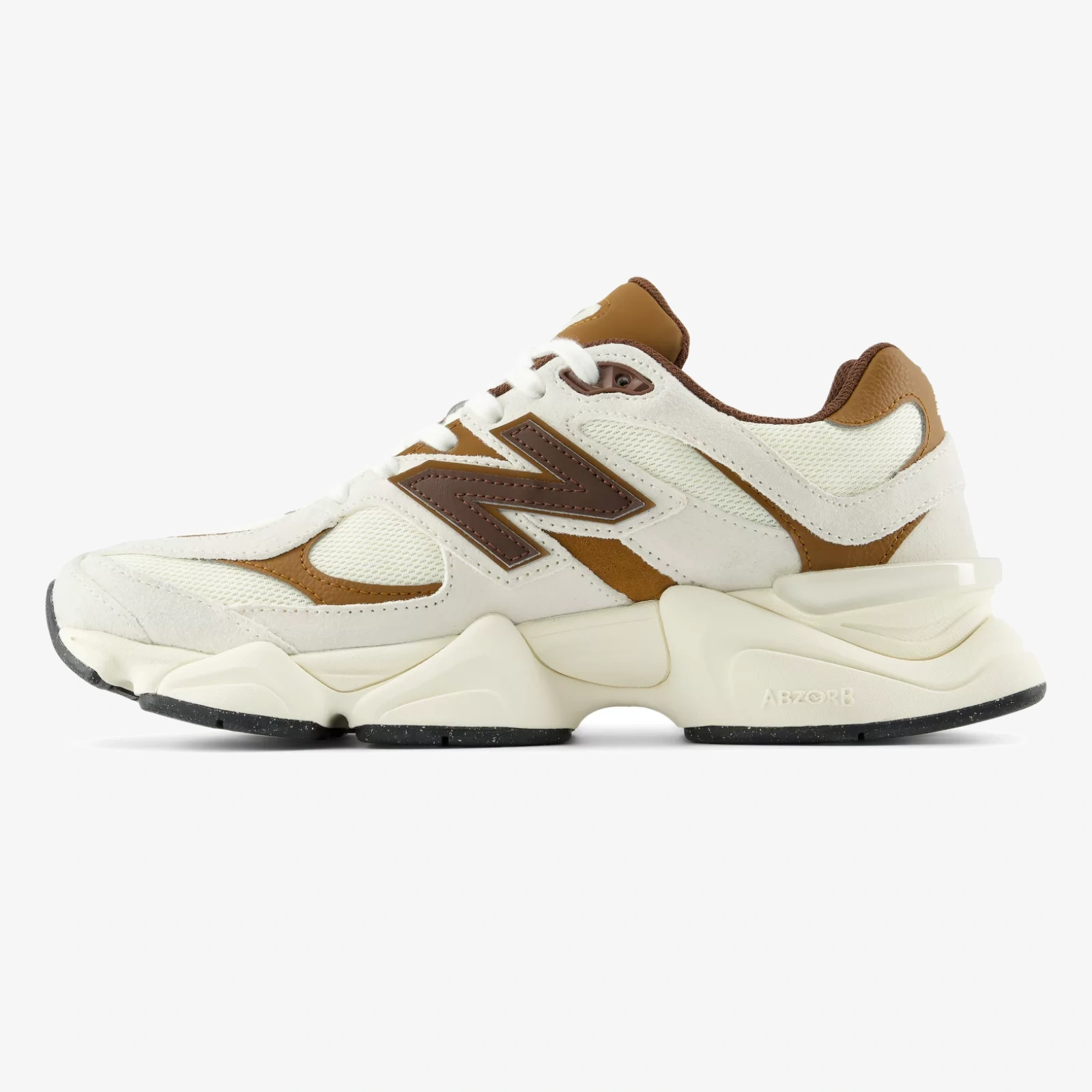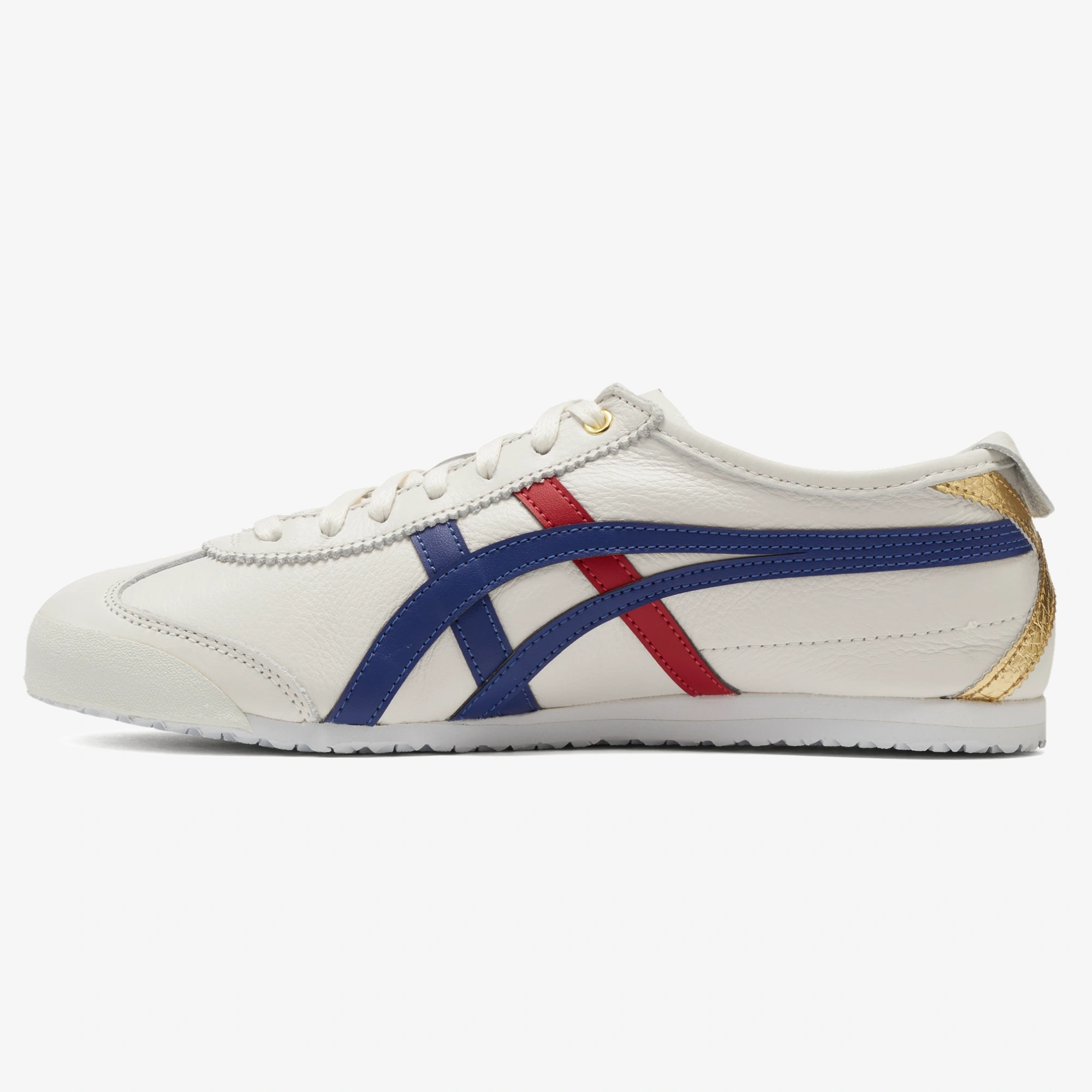

The safest way to clean most white sneakers is mild dish soap, warm water, and a soft-bristle brush, applied section by section rather than soaked all at once. This handles dirt on leather, canvas, and mesh without stripping finishes or weakening glue. Skip bleach and high heat entirely, and always test any cleaner on a hidden patch first. Suede, nubuck, and rubber soles need their own approach, covered below by material.
TL;DR:
- Avoid bleach, harsh solvents, and high heat, as they weaken materials and cause yellowing, which can be irreversible for sneakers.
- Use a material-specific cleaning method, such as mild soap for leather and mesh, baking soda for canvas, and dry techniques for suede, to prevent damage.
- For machine-washable sneakers, only wash canvas or synthetic pairs on a gentle cycle with cold water and no heat; never put them in a dryer.
- Reapply protectant spray immediately after cleaning and drying to form a barrier against future stains, especially on suede and nubuck.
- Regular dry-brushing, wiping after wear, and quick maintenance significantly extend the look and lifespan of white sneakers, reducing the need for deep cleaning.
Table of Contents
- What you need: tools and safe cleaners for white sneakers
- Prep and quick maintenance steps to reduce the need for deep cleaning
- Spot-cleaning steps by material: leather, canvas, mesh, suede, rubber soles
- Machine-washing: when it’s appropriate and how to do it safely
- Cleaning laces and insoles
- Drying, storage, and protectants to prevent yellowing and loss of shape
- Common mistakes that damage white sneakers and how to correct them
- DELTITECH practical tips and what to check on product pages before cleaning
- How to protect white sneakers after cleaning
- Why gentle maintenance matters more than deep restoration
- Shop DELTITECH: featured white sneaker pages and where to buy replacement parts
- Sources
- FAQ
What you need: tools and safe cleaners for white sneakers
Before touching a stain, gather supplies that match the materials on your shoes. A soft-bristle brush and a soft toothbrush handle most surface dirt, while microfiber cloths lift cleaner without scratching finishes. A melamine sponge, often sold as a magic eraser, works well but only on rubber soles and toe caps since it can dull leather or fray delicate fabric.
For cleaners, mild dish soap or a gentle laundry detergent covers canvas and synthetic uppers, baking soda handles odor and light staining, and dedicated suede or leather cleaners protect those finishes better than general soap. A sneaker protectant spray rounds out the kit for use after cleaning.
- Soft-bristle brush and soft toothbrush for gentle scrubbing
- Microfiber cloths for wiping and buffing
- Melamine sponge for rubber soles and toe caps only
- Mild dish soap, gentle detergent, or baking soda for uppers
- Suede cleaner, leather cleaner, and protectant spray for finish-specific care
Avoid bleach, strong solvents, and undiluted hydrogen peroxide. These can weaken fibers, strip finishes, and cause the kind of yellowing you’re trying to prevent.
Prep and quick maintenance steps to reduce the need for deep cleaning
A few minutes of prep before any wet cleaning saves your sneakers from deeper damage. Dry-prep brushing removes loose grit before moisture turns dust into an embedded stain, a step textile-care experts emphasize as essential to any cleaning routine.
- Dry-brush the entire shoe first to knock off loose dirt and grit.
- Remove laces and insoles so you can clean them separately and reach the tongue and interior fully.
- Wipe down sneakers after each wear with a dry microfiber cloth to prevent buildup.
- Apply a protectant spray before the first wear to reduce how often deep cleaning is needed.
These habits do more to keep sneakers white than any single cleaning session. Prevention is cheaper than restoration, both in time and in wear on the materials.
Spot-cleaning steps by material: leather, canvas, mesh, suede, rubber soles
Different uppers demand different handling, and using the wrong method on the wrong material is how sneakers get ruined rather than restored.
Smooth leather responds best to a wrung-out cloth dipped in mild soap and water, wiped in small sections rather than soaked. Dry immediately with a towel to prevent water spots, and follow with a leather conditioner if the finish looks dry afterward.
Canvas tolerates more aggressive cleaning. A paste of baking soda and water, or baking soda and detergent, lifts embedded grime when worked in gently with a soft brush. Rinse thoroughly so no residue remains, then air dry with paper towel stuffing to hold shape.
Mesh and synthetic panels need a lighter touch since the weave frays easily. Dilute soap more than usual, use your softest brush, and rinse carefully with a damp cloth rather than running water, which can push dirt deeper into the mesh.
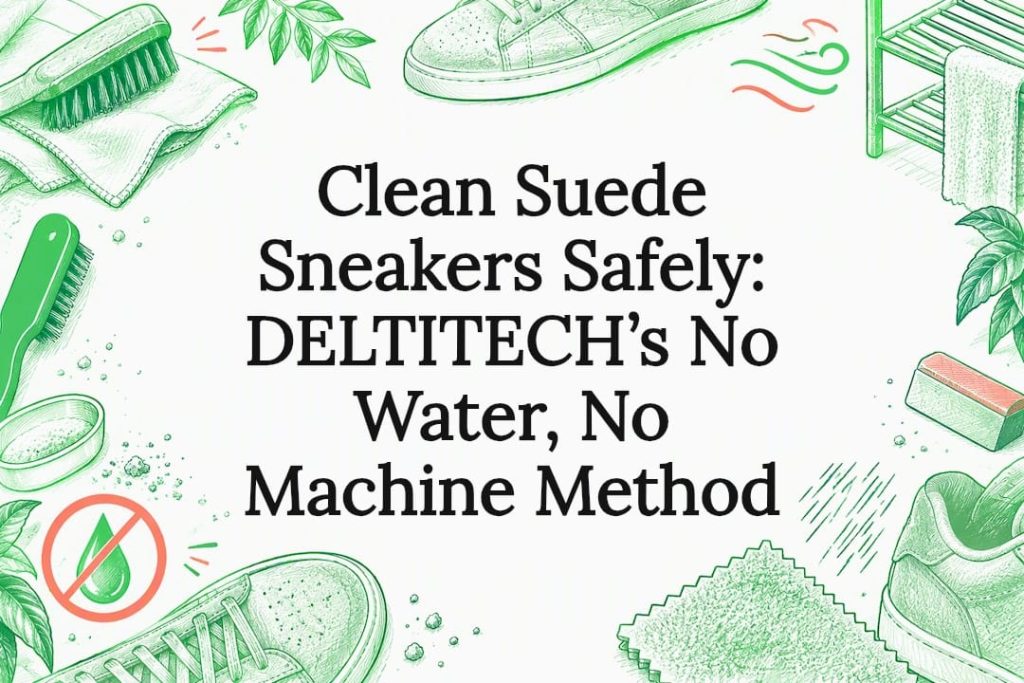
Suede and nubuck should stay dry whenever possible. Start with a suede eraser or a dry brush to lift surface marks, and only introduce a small amount of water with a suede-specific cleaner if the stain persists. Standard dish soap will discolor or stain these finishes permanently.
Rubber soles and toe caps clean up fastest with a melamine sponge, used sparingly since repeated scrubbing can wear down the rubber’s texture over time. Toothpaste (the plain white kind, not a whitening gel) works as a gentler alternative for light scuffs, applied with an old toothbrush and rinsed away.
- Leather: wipe with damp cloth, dry immediately, condition if needed
- Canvas: baking soda paste, gentle scrub, thorough rinse
- Mesh: diluted soap, soft brush, careful rinse
- Suede: dry cleaning first, minimal water, suede-safe products only
- Rubber: melamine sponge or toothpaste, used sparingly
Pro Tip: Clean one small section at a time and dry it before moving on, so water doesn’t have a chance to seep into layers you haven’t treated yet.
Machine-washing: when it’s appropriate and how to do it safely
Machine-washing works for canvas and some synthetic sneakers, but it’s the wrong call for leather, suede, or anything with delicate glued components. Wirecutter lists machine-washing as a viable option specifically for heavily soiled canvas or synthetic pairs, not as a default method for every sneaker.
- Confirm the upper is canvas or synthetic, and check that no leather trim or suede paneling is present.
- Remove laces and insoles, and place shoes inside a mesh laundry bag.
- Wash on a gentle cycle with cold water and a small amount of mild detergent.
- Air dry completely. Never use a dryer.
Heat is the enemy here. The American Cleaning Institute identifies excessive heat as a primary contributor to yellowing and adhesive damage, which is why dryer sheets and heated cycles should never touch your sneakers.
Cleaning laces and insoles
Laces and insoles hold as much dirt as the shoe itself, so don’t skip them. Soak laces by hand in warm soapy water, or toss them in a mesh bag on a gentle machine cycle, then air dry flat.
- Hand-wash or machine-wash laces in a mesh bag, then air dry
- Wipe insoles with mild soap and a cloth, using baking soda to lift odor
- Replace insoles once foam is compressed or cracked, since cleaning won’t restore cushioning
- Discard laces or insoles that still smell after a full cleaning cycle
Drying, storage, and protectants to prevent yellowing and loss of shape
How you dry sneakers matters as much as how you clean them. Direct sun and heat sources like radiators or hair dryers speed up yellowing and can warp soles, so air-dry sneakers in shade at room temperature instead.
Stuff each shoe with white paper towels while damp. They wick moisture from the interior and help the shoe hold its shape as it dries, preventing the collapsed, wrinkled look that comes from air-drying an empty shoe.
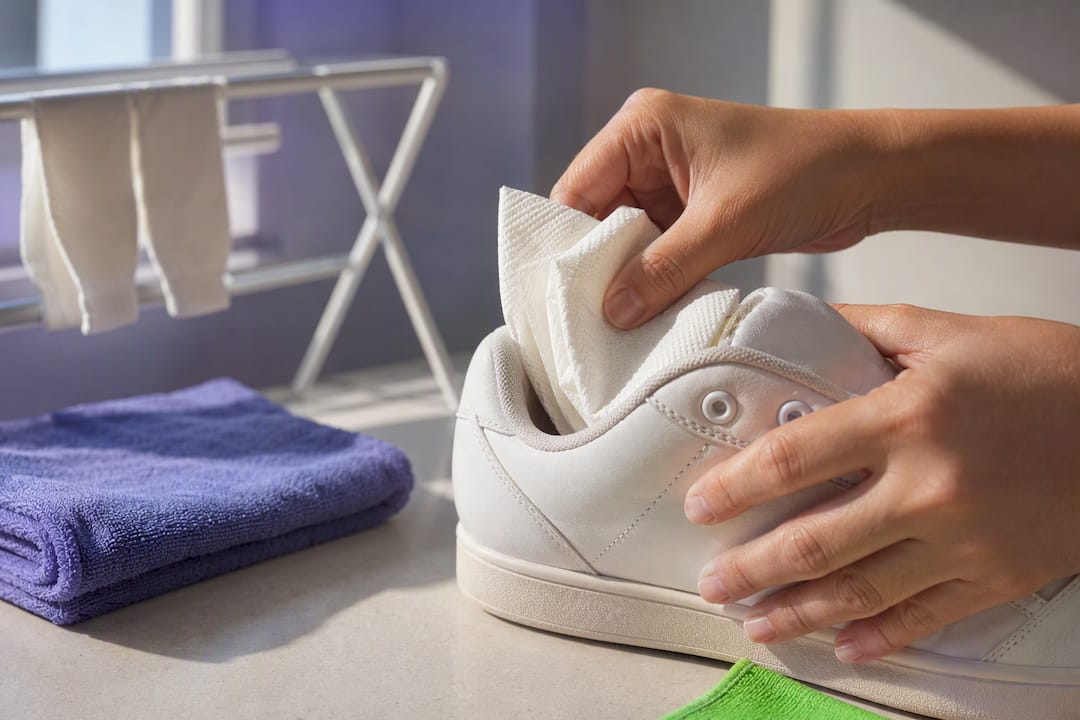
This single step cuts down significantly on how often you’ll need to repeat the process.
Pro Tip: Reapply protectant spray right after cleaning, while the shoe is completely dry, so the coating bonds evenly instead of beading up on residual moisture.
Common mistakes that damage white sneakers and how to correct them
Most sneaker damage comes from a handful of repeated errors, not from normal wear.
- Bleach: The American Cleaning Institute warns that bleach weakens fibers and causes permanent yellowing along with adhesive damage, so it should never touch sneaker materials.
- Over-scrubbing: Skipping the dry-brush step and scrubbing wet dirt grinds it deeper into fibers. Always dry-prep first, then scrub gently.
- Leftover residue: Soap left on the surface attracts more dirt over time. Rinse or wipe every cleaned section until no film remains.
Each of these is easy to avoid once you know the mechanism behind the damage. Slow, section-by-section cleaning beats aggressive one-pass scrubbing every time.
DELTITECH practical tips and what to check on product pages before cleaning
Before cleaning any pair, check the material and care notes listed on the product page. Suede, nubuck, and mixed-material uppers often need different handling than what a generic guide assumes, and confirming the upper material first prevents most cleaning mistakes.
A simple starter kit covers most situations: a soft brush, a few microfiber cloths, a gentle detergent, and a protectant spray. Keep these on hand rather than buying supplies after a stain has already set.
When insoles lose their cushioning or laces fray beyond saving, replacement parts are often available through the same shoe category pages where you found the original pair, which saves the guesswork of finding a compatible size or style.
How to protect white sneakers after cleaning
Protection matters more once a sneaker is clean, since a fresh pair is more vulnerable to fresh staining until a barrier is in place. A water-and-stain repellent spray, applied evenly across the entire upper and allowed to fully dry, creates that barrier and reduces how deeply new dirt and moisture can penetrate the material.
Apply protectant spray in a ventilated area, holding the can at the distance the label specifies, and cover seams and stitching where water tends to seep in first. Let the coating cure for the time the product recommends, usually a few hours, before wearing the shoes again.
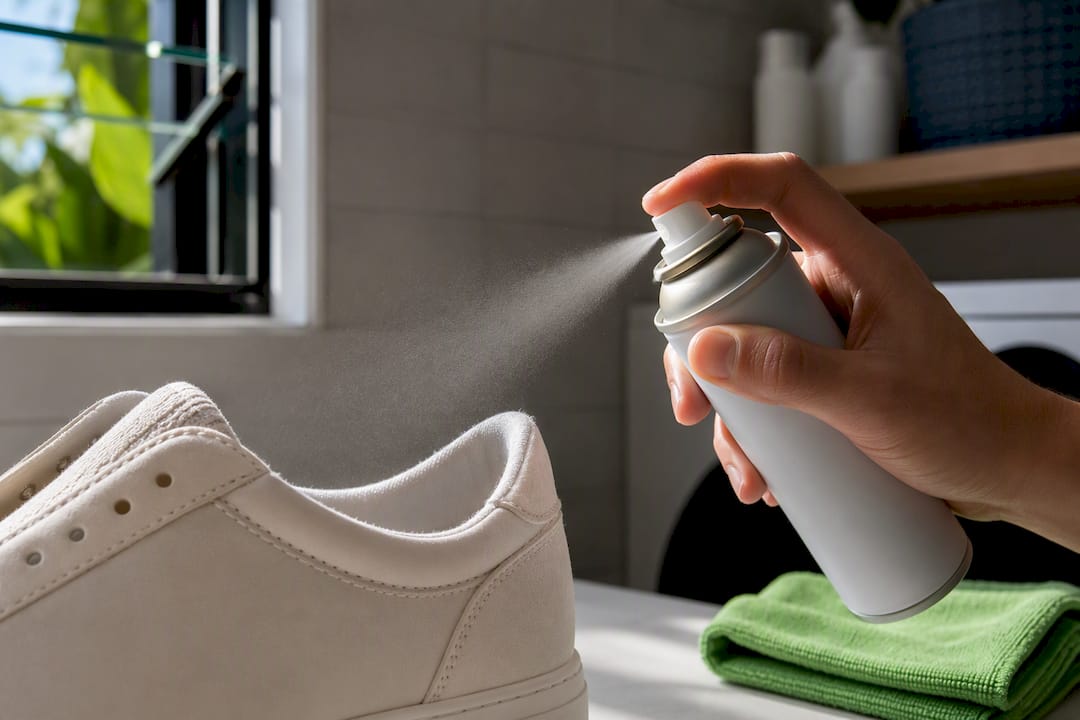
Reapplication schedules vary by product and by how often you wear the shoes, but a light second coat after several wears, or after any deep clean, keeps the barrier active. Skipping this step means every subsequent stain sets faster and lifts harder, which turns a quick wipe-down into a full cleaning session again.
For suede and nubuck specifically, use a protectant formulated for those finishes rather than a general spray, since standard sealants can darken or stiffen the nap.
Why gentle maintenance matters more than deep restoration
Most damage to white sneakers comes from trying to make them look brand new again in one aggressive session rather than maintaining them consistently. Regular light cleaning and protectant use preserve materials far better than an occasional deep scrub with bleach or excessive scrubbing. Replacement laces, insoles, and protectant sprays are worth keeping on hand rather than reaching for harsh fixes.
**
Shop DELTITECH: featured white sneaker pages and where to buy replacement parts
If your current pair is past saving or you’re ready for a fresh start, DELTITECH carries in-stock white sneakers including the ASICS Gel NYC ‘White Glacier Grey’, the ASICS Gel NYC ‘White Smoke Grey’, and the ASICS Gel NYC 2.0 ‘White Cream Purple’, all sold new and authentic at a fixed price with no bidding and free express shipping.
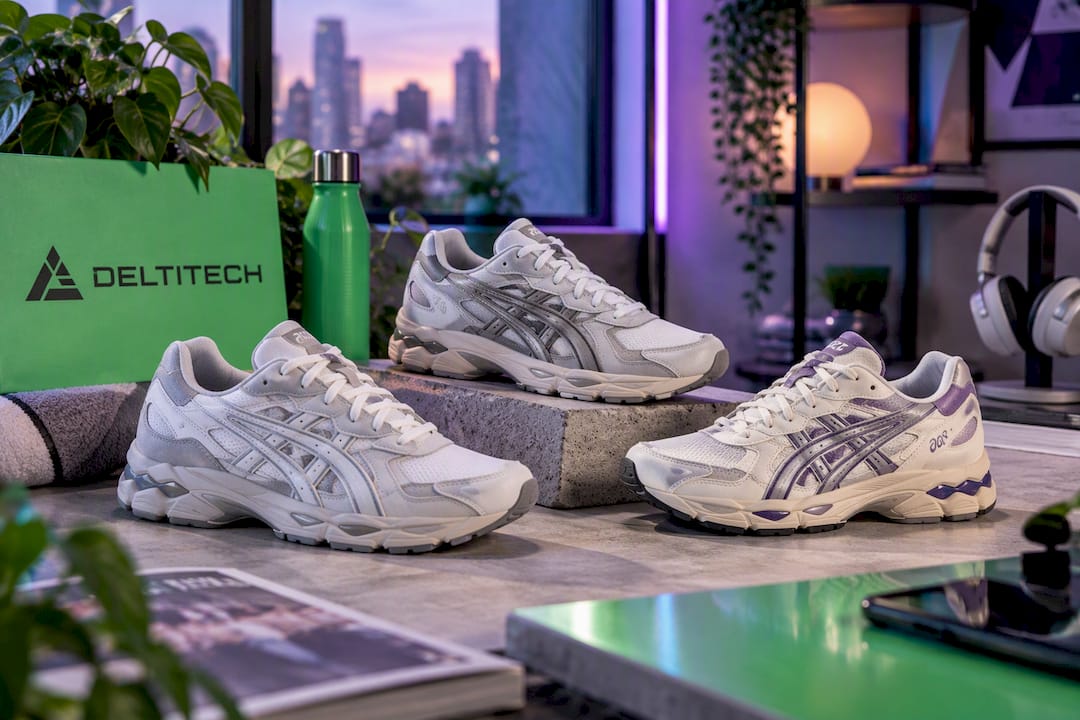
Browse the full Men’s Shoes and Women’s Shoes selection, or check the ASICS category for more white styles and replacement-ready pairs.
Sources
- Ask ACI: Shoe cleaning | The American Cleaning Institute
- How to actually clean white sneakers (without killing them) | GQ Middle East
- How to Clean Shoes with Baking Soda | Arm & Hammer
FAQ
Does Dawn dish soap clean white sneakers?
Yes, mild dish soap diluted in warm water is a reliable starting method for most canvas, leather, and mesh sneakers. Use a soft brush, work in small sections, and rinse thoroughly to avoid leaving residue that attracts more dirt.
Will a magic eraser clean white shoes?
A magic eraser works well on rubber soles and toe caps, where its abrasive texture lifts scuffs quickly. It’s too harsh for leather or delicate fabric uppers, where it can dull the finish or wear through the surface.
How do you perfectly clean white sneakers?
Start with dry-brushing to remove loose grit, then clean each material with its appropriate method: mild soap for leather and mesh, baking soda paste for canvas, and dry techniques for suede. Air dry in shade with paper towel stuffing, then apply a protectant spray to guard against future stains.
Can toothpaste clean white sneakers?
Plain white toothpaste can lift light scuffs from rubber soles and toe caps when applied with an old toothbrush and rinsed off. It’s a gentler alternative to a melamine sponge, though it won’t work as well on set-in fabric stains.