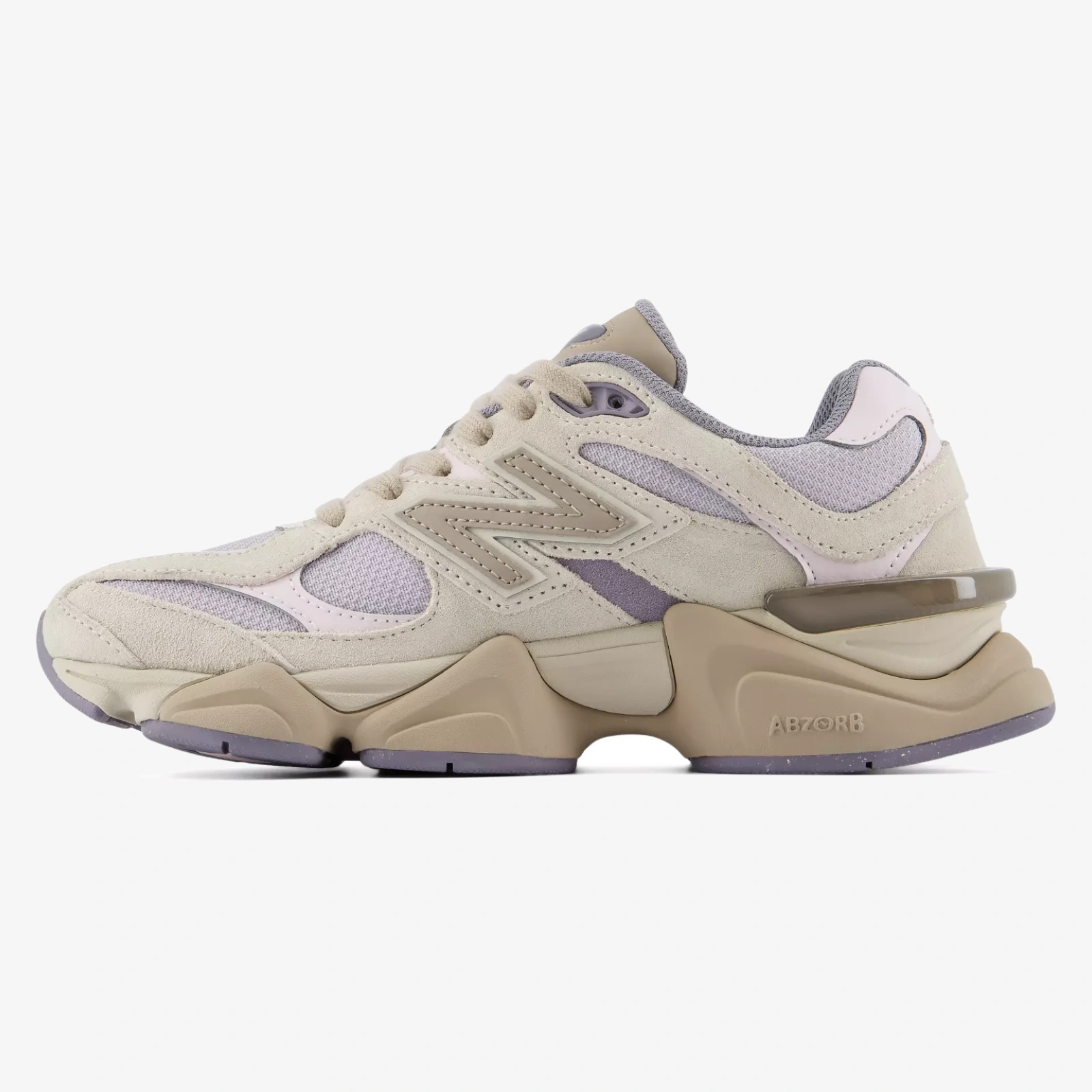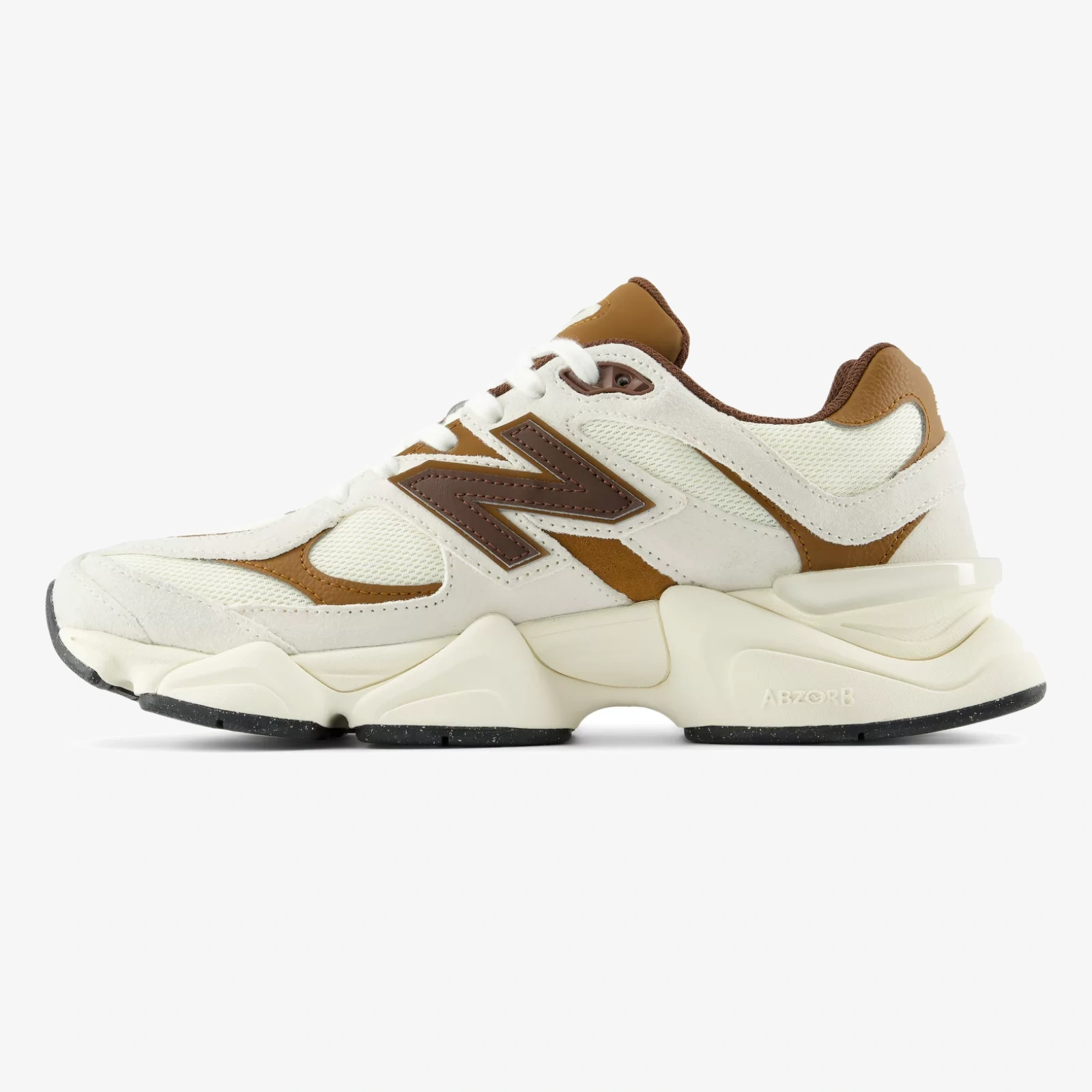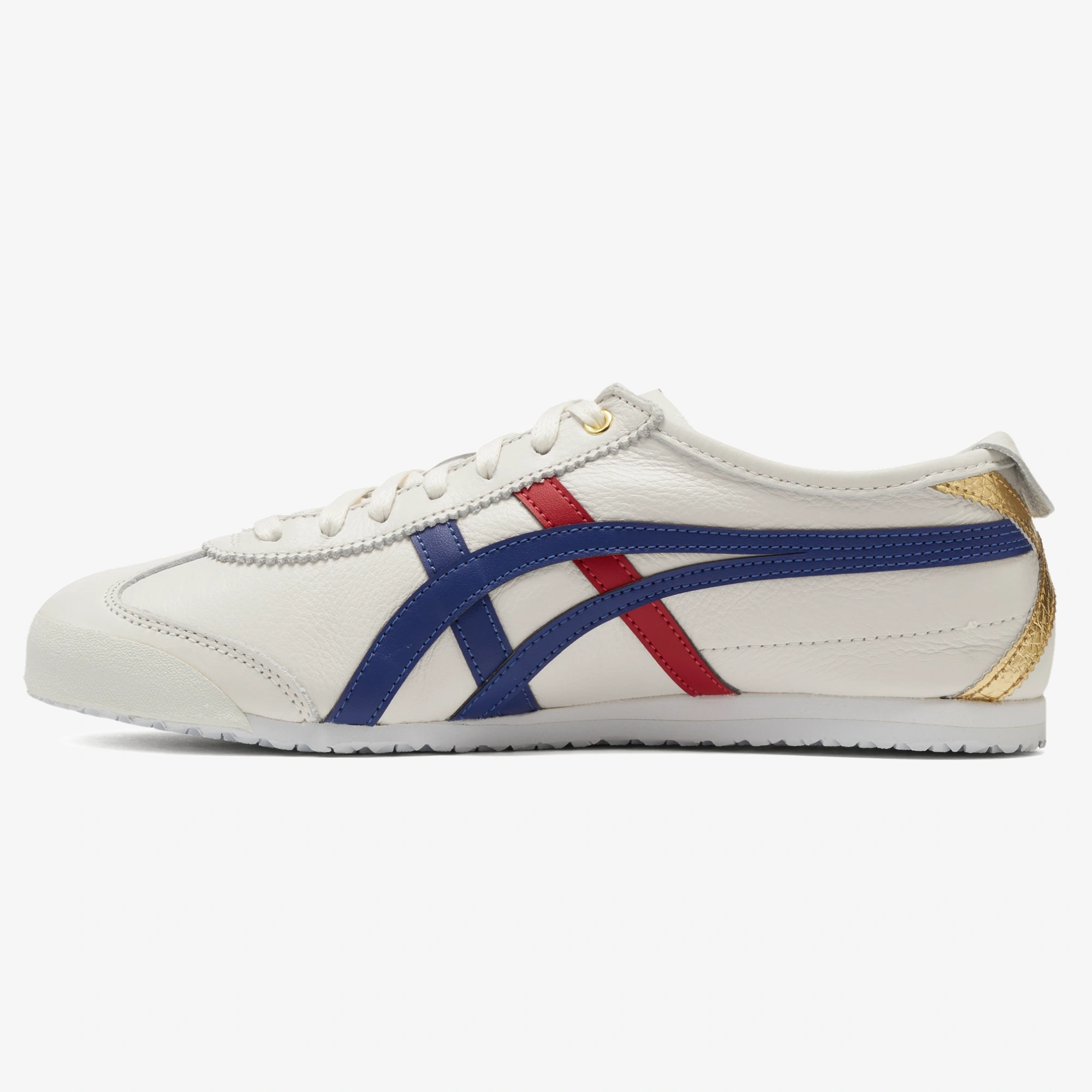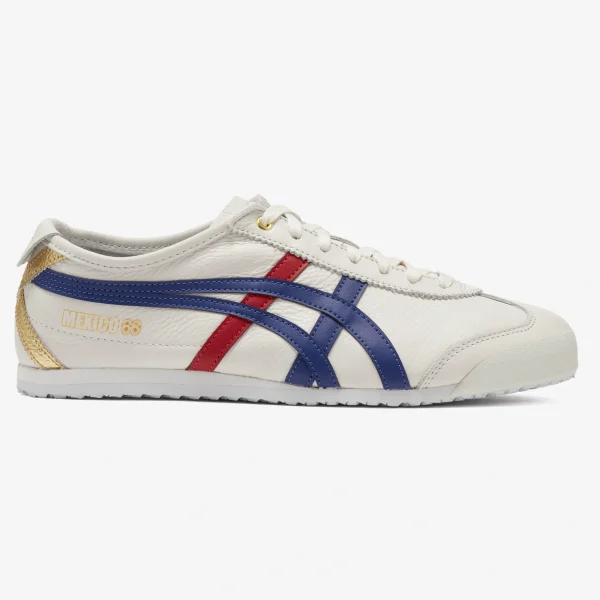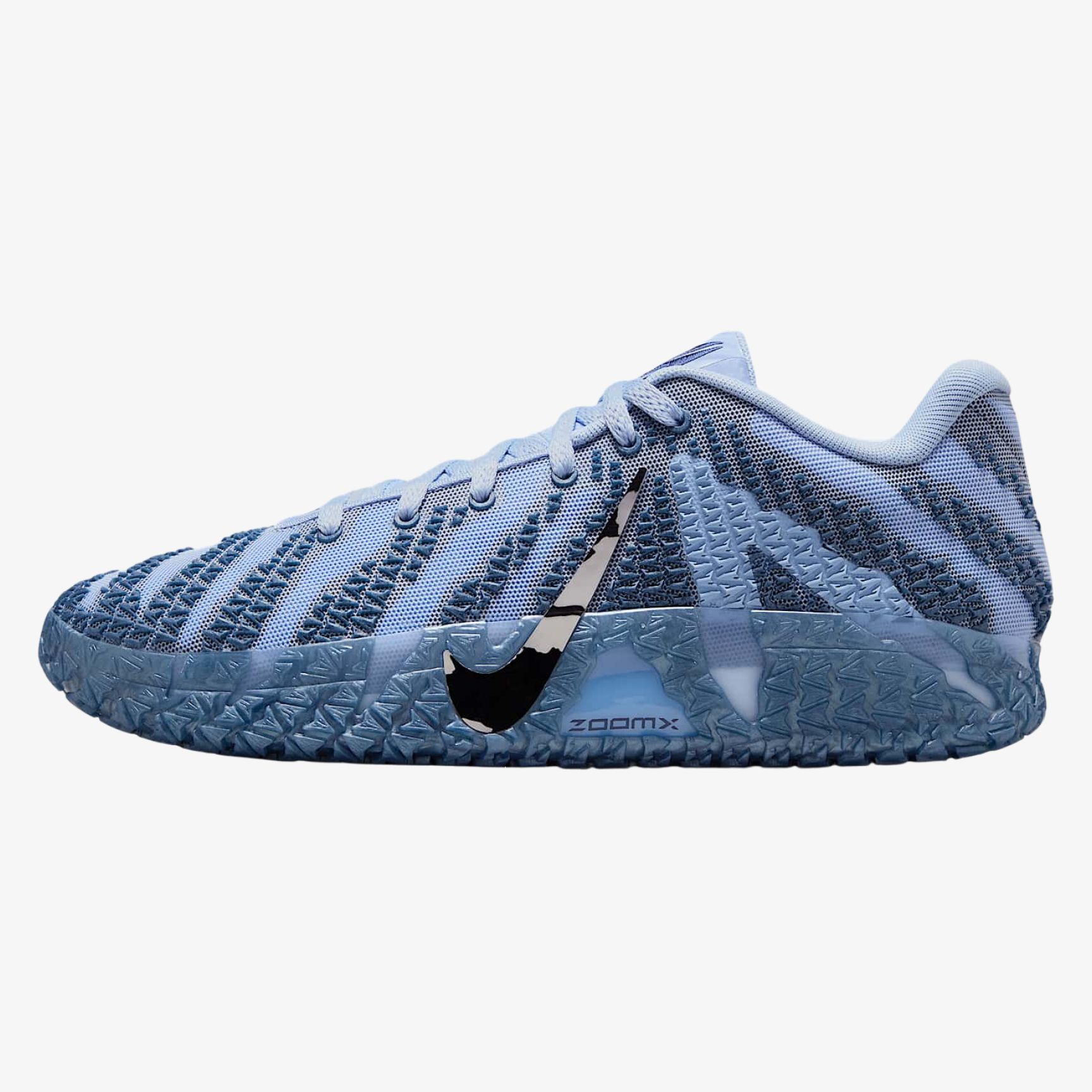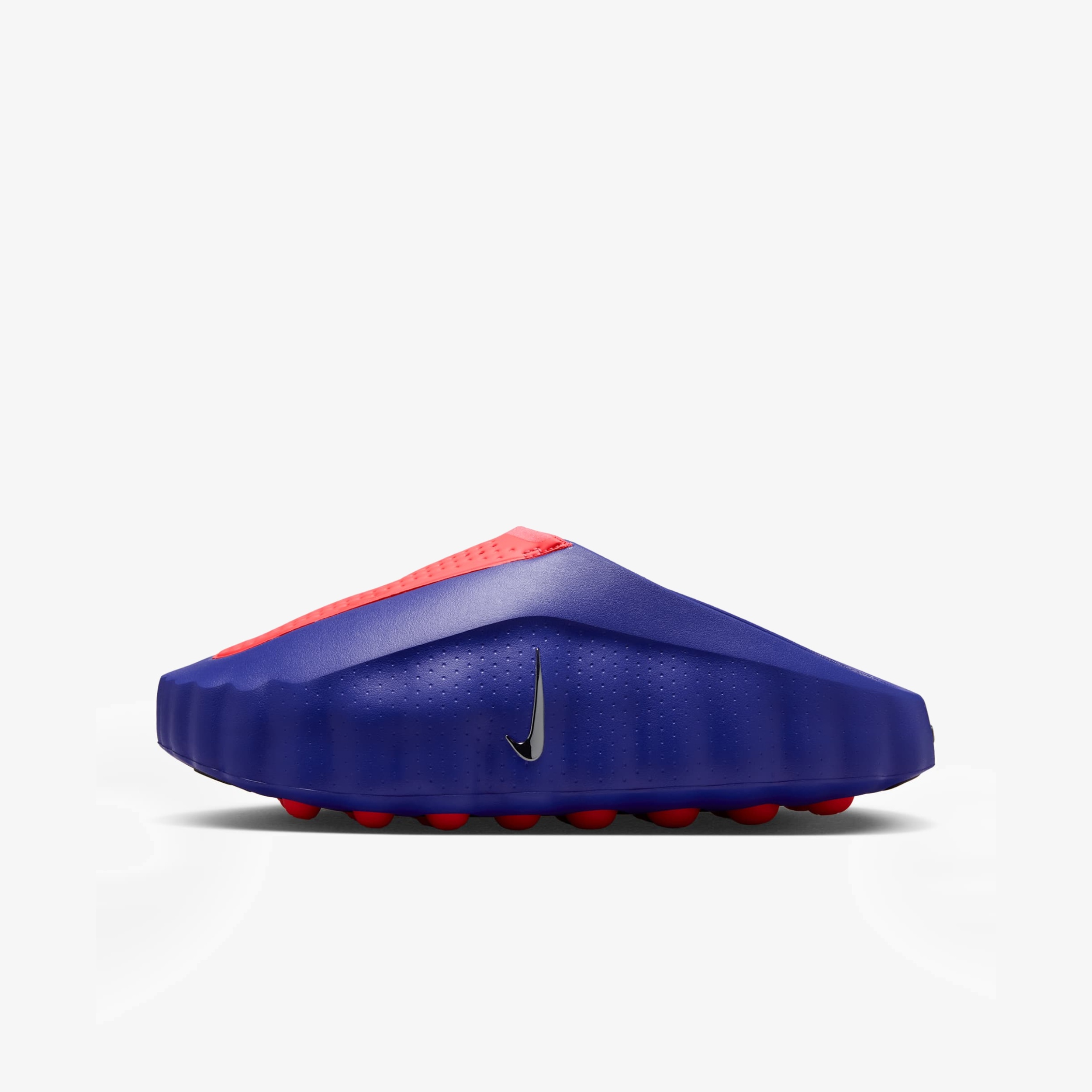

If you need extra width and all-day comfort, start with New Balance. If you need structured stability and a midsole that survives long mileage, start with ASICS. The rest comes down to your foot shape, your gait, and how many miles you’re putting on a pair each week.
TL;DR:
- Shoe fit and width options are crucial, with New Balance offering wider sizing and a more voluminous fit suitable for wider and orthotic needs.
- Cushioning type and drop height influence performance and comfort, with New Balance favoring softer foams and lower or zero drops for mileage and recovery, while ASICS offers firmer, structured support with higher drops.
- Durability tends to be better with ASICS, which retains cushioning and outsole integrity longer, making it more cost-effective for runners logging over 30 miles weekly.
- Proper fit involves checking toe space, heel slip, and midfoot pressure, and trying shoes with actual running socks before committing, especially if transitioning between models or brands.
- When choosing, prioritize your foot shape and weekly mileage over brand reputation or marketing, and test run your selected model within the return window to ensure proper fit.
Table of Contents
- New Balance vs ASICS Running: Fit, Sizing, and Width Availability
- Midsole Cushioning, Energy Return, and Drop
- Stability and Support for Overpronation
- Durability, Outsole Wear, and Expected Mileage
- Price, Value, and Lifestyle Crossover
- Best ASICS and New Balance Models and Who They Suit
- How to Choose and Test-Ride Before You Commit
- Why Trust This Guide
- Brand History and Reputation in the Running Shoe Market
- What Actually Matters When You’re Choosing Between These Two
- Where to Buy the Recommended ASICS Models
- Sources
- FAQ
New Balance vs ASICS Running: Fit, Sizing, and Width Availability
Fit is where these two brands split hardest, and it’s usually the deciding factor for readers comparing New Balance vs ASICS in the first place. New Balance builds most of its running line on a rounder, higher-volume last, and it sells that last in width options most competitors skip entirely, from Narrow (2A) up to Extra Wide (6E) in select models. ASICS runs a narrower, more tapered forefoot by default, with a structured heel cup designed to lock the foot in place rather than let it spread.
That difference matters beyond simple comfort. Runners with bunions, Morton’s neuroma, or orthotics that need extra volume tend to do better in New Balance without hunting for a half-size up or a stretch trick, according to podiatrist-focused fit guidance comparing the two brands. ASICS’ tighter last works well for narrow or medium feet that want a locked-in performance feel, but it can create pressure points for wider forefeet, especially over a long run when feet swell.
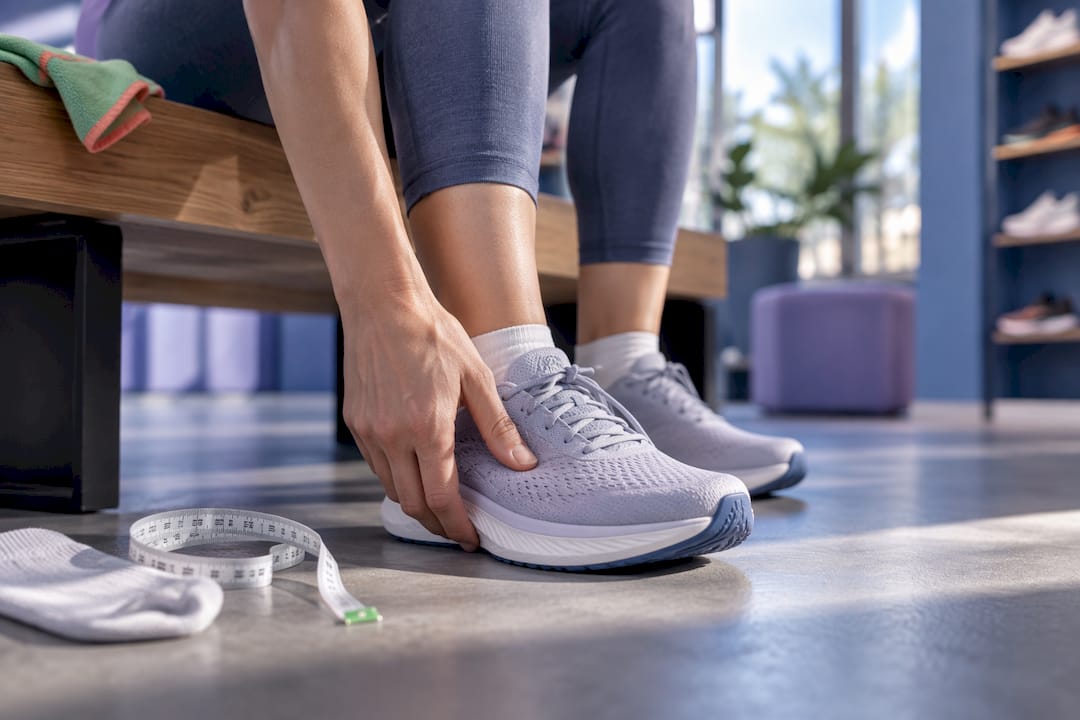
A few practical rules make the try-on process faster:
- Leave a thumb’s width of space between your longest toe and the front of the shoe.
- Lace up and walk a few steps, then check for heel slip. Any lift of more than a quarter inch usually means the wrong size or width.
- Press your thumb into the midfoot upper. If it pinches over the widest part of your foot, size up or try a wide option before assuming the model is wrong for you.
Pro Tip: Try shoes on with the same socks you actually run in, and pull the stock insole out first to check raw toe box volume before adding an orthotic. That five-second check saves a lot of guessing later.
Midsole Cushioning, Energy Return, and Drop
The ride difference between these brands comes down to midsole geometry as much as foam chemistry. New Balance leans on Fresh Foam X and FuelCell compounds tuned for a soft, forgiving landing, while ASICS pairs GEL cushioning with FF Blast and FF Blast+ foams built around a firmer, more propulsive toe off. Editorial testers consistently describe ASICS as the more structured, higher-drop shoe, typically sitting in the 8 to 10 millimeter range, while New Balance spreads its lineup across a wider range of drops, including several low-drop and zero-drop options for runners who want a flatter platform.
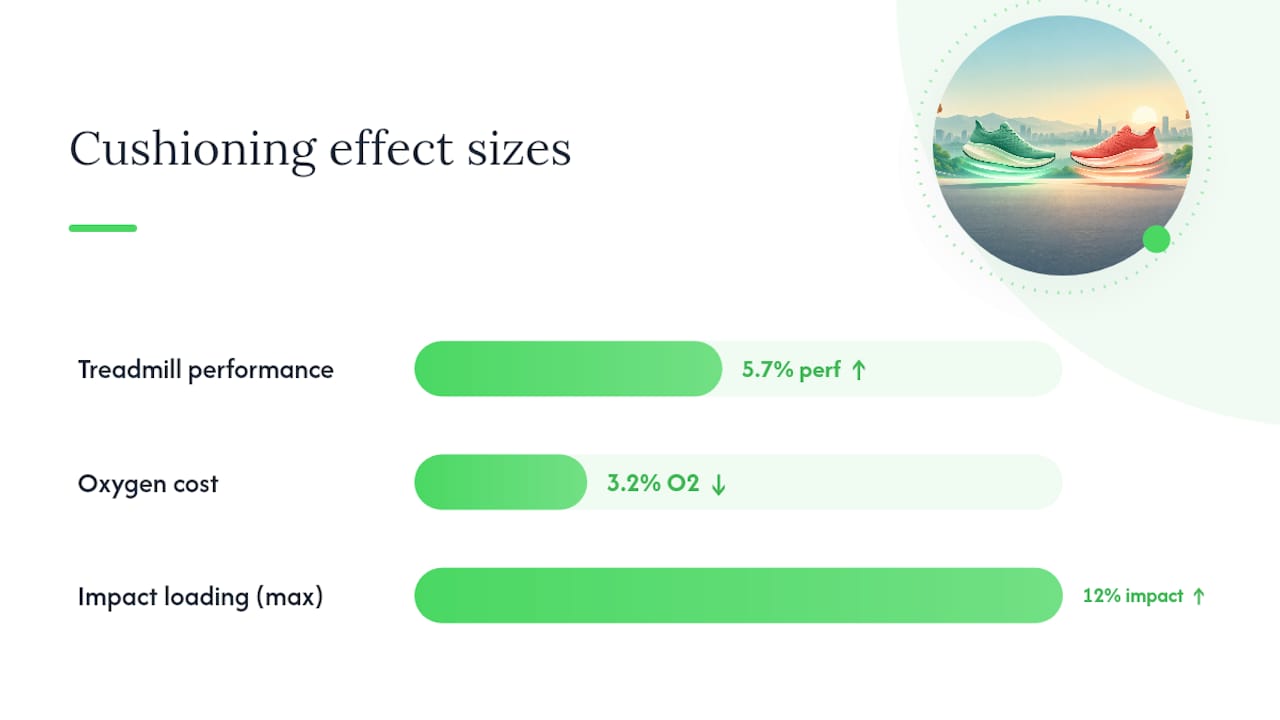
Cushioning volume itself has a measurable effect on performance, not just comfort. One controlled study found that highly cushioned shoes improved incremental treadmill test performance by 5.7% and lowered oxygen cost by 3.2% compared to less-cushioned control shoes, with the benefit holding up even after runners went through a muscle-damage protocol designed to simulate late-race fatigue.
That’s a meaningful number for anyone deciding between a max-cushion daily trainer and a firmer, more responsive ride.
But more foam isn’t automatically safer. Separate research on highly cushioned shoes found some runners actually increase their impact loading rates by as much as 12% in max-cushion shoes, because the leg stiffens up to compensate for the softer platform. Cushioning changes how a run feels; it doesn’t override how your particular body reacts to it.
Drop changes also affect Achilles and calf loading, so switching from a 10mm ASICS trainer to a low-drop New Balance model isn’t something to do the week before a race. A gradual transition over two to four weeks lets the tendon adapt.
- Easy mileage and recovery days favor New Balance’s softer Fresh Foam X ride or ASICS’ Gel Nimbus line.
- Tempo work and race prep tend to favor firmer, more responsive FF Blast+ or FuelCell setups.
- Anyone changing drop height by more than 4mm should phase the switch in gradually.
Stability and Support for Overpronation
ASICS built its reputation on structured support, and its Kayano line remains the clearest example of guidance-geometry stability: an engineered midsole shape that steers the foot through a straighter gait cycle rather than relying purely on a firmer wedge of foam on the medial side. New Balance takes a lighter touch, often using a firmer foam density along the arch side of the midsole instead of a dedicated guidance rail.
Neither approach is universally better. Guidance-geometry stability can reduce foot fatigue over long runs more effectively than simple medial posting for runners with moderate to severe overpronation, but that same structure can create pressure points that require careful sizing, and sometimes an orthotic supplement, to avoid discomfort. Mild overpronators often do fine in a neutral shoe with a slightly firmer foam, which is where New Balance’s lighter support systems tend to work well.
A short jog tells you more than standing in a mirror ever will:
- Jog 200 to 300 feet on a treadmill or flat pavement and watch (or film) your ankle. Excess inward roll after footstrike suggests you need more correction than the shoe is giving.
- If a “stability” shoe still lets your arch collapse noticeably, it’s not matched to your degree of pronation.
- Any new hot spot or pinch point after a short test run is a sizing problem, not something you should expect to “break in.”
Biomechanics researchers note that fatigue responses are highly individual, meaning the optimal stability level is runner-specific rather than something a size chart can settle for you.
Durability, Outsole Wear, and Expected Mileage
Most running shoes are rated for roughly 300 to 500 miles before cushioning and outsole rubber degrade enough to change how the shoe feels underfoot, and reported patterns generally favor ASICS here. Independent mileage testing has found ASICS models retain cushioning and outsole rubber longer than comparable New Balance trainers, which gives ASICS an edge for runners logging 30 or more miles a week who care about cost-per-mile more than upfront price.
Runner weight, running surface, and gait mechanics all shorten or extend that window. A heavier runner on asphalt will wear through outsole rubber faster than a lighter runner alternating between trail and treadmill, regardless of brand.
Statistic Callout: A $140 pair of running shoes that lasts 500 miles costs about $0.28 per mile. The same price point lasting only 300 miles jumps to roughly $0.47 per mile, which is why durability claims matter as much as the sticker price.
- Rotate two pairs if you run five or more days a week; it roughly doubles the calendar life of each pair’s midsole foam.
- Check outsole tread wear at the forefoot and heel every 150 to 200 miles.
- Compressed, shiny-looking midsole foam is a better retirement signal than a specific mileage number.
Price, Value, and Lifestyle Crossover
Entry-level trainers from both brands are available at varying price points. New Balance is often noted for its wide-friendly options suitable for casual runners and walkers. Mid-tier performance trainers from both brands cover a range of pricing, with premium cushioned models available for serious runners seeking advanced features.
Lifestyle crossover shifts the math for a lot of buyers. ASICS’ retro-styled Gel NYC and similar silhouettes work equally well with jeans on a commute as they do on a Sunday long run, which stretches the value of one pair across two use cases. New Balance built an entire cultural following around its 574 and 990 lines doing exactly this, which is part of why New Balance running shoes show up as often in streetwear roundups as in marathon training logs.
- Budget-conscious buyers and beginners often get more comfort per dollar from New Balance’s wide-fit entry trainers.
- Runners logging serious weekly mileage usually see better long-term value from ASICS’ durability, even at a higher upfront price.
- Anyone wanting one shoe for both training and everyday wear should prioritize the lifestyle-crossover models from either brand over a pure race trainer.
Best ASICS and New Balance Models and Who They Suit
Matching a specific model to your use case beats picking by brand loyalty alone. Here’s how the categories break down:
- Neutral daily trainer: Look for moderate-to-high cushion, a rounded rocker sole, and enough width to avoid forefoot pinch on easy runs. This is where a well-fitted New Balance Fresh Foam model or an ASICS Gel Nimbus both earn their reputation.
- Stability or overpronation correction: ASICS’ guidance-geometry Kayano line remains the reference point for moderate-to-severe overpronators who need the shoe doing real corrective work, not just a firmer wedge of foam.
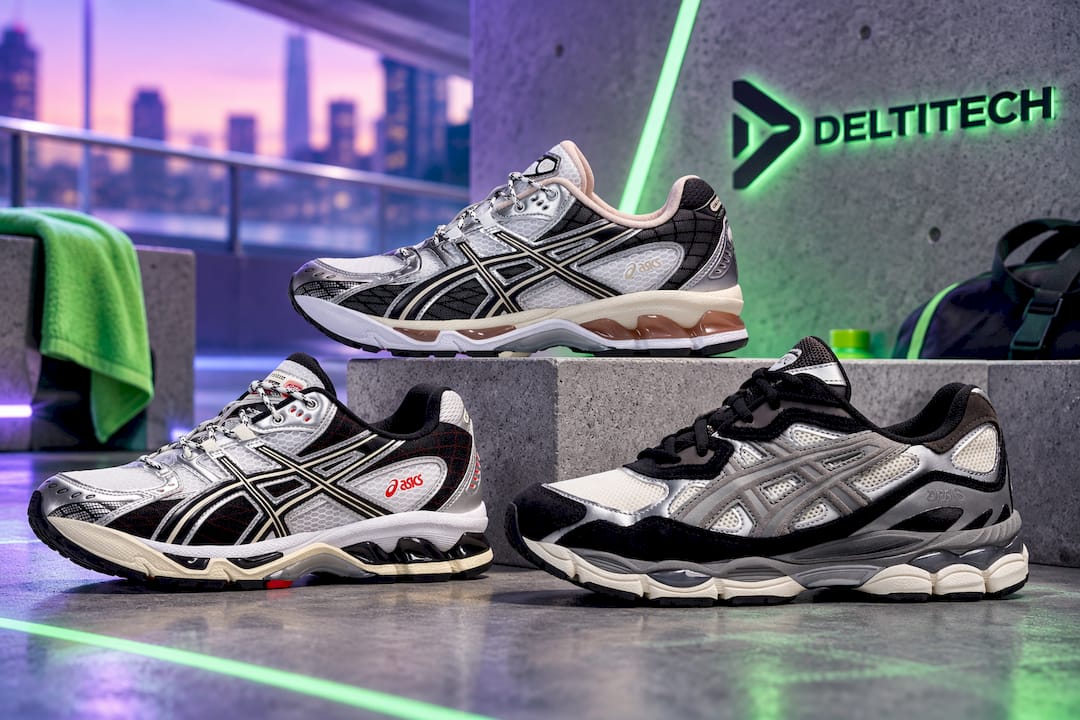
- Recovery and long-run cushion: The ASICS Gel Nimbus 10.1 ‘White Obsidian Grey’ pairs GEL cushioning with a soft upper built for high-mileage recovery days, and it’s available now through DELTITECH for runners who want that model without waiting on limited retail drops.
- Same model, different colorway: The ASICS Gel Nimbus 10.1 ‘White Black Silver’ gives buyers the identical cushioning platform in a cleaner colorway for anyone who wants the performance without the louder look.
- Lifestyle and performance crossover: The ASICS Gel NYC ‘Black Ivory Grey’ works for runners who also want a shoe that reads as streetwear off the clock, combining a retro silhouette with genuine cushioning underfoot.
- Budget and wide-fit picks: Entry-level New Balance trainers, especially in 2E or 4E widths, remain the more forgiving choice for walkers and casual runners who haven’t been fitted for orthotics yet.
How to Choose and Test-Ride Before You Commit
Before you buy anything, measure both feet late in the day (feet swell), note whether you’re buying for road running, walking, or gym cross-training, and flag whether you currently use orthotics or need arch support.
- Try the shoe on with your actual running socks and check the thumb-width and heel-slip rules covered earlier.
- Walk a lap around the store, then do a short jog outside or on an in-store treadmill if one’s available.
- At home, run two to three short outdoor sessions of 1 to 2 miles each within the first week.
- Check for hot spots, black toenails risk, or arch soreness after each short run, not just general “does it feel nice standing still.”
- If anything feels off, use the return window before it closes rather than hoping the shoe breaks in.
Pro Tip: Keep the original box and packaging until you’ve completed your short test runs. Most return policies, including extended ones, move faster when the shoe looks unworn outside of a few test miles.
Why Trust This Guide
DELTITECH stocks authentic footwear from Nike, Adidas, New Balance, and ASICS, backed by up to 60% off sitewide and free worldwide shipping on top of standard promotions. Every order ships with 24/7 customer support and an extended return window, so testing a pair of New Balance or ASICS running shoes at home carries less risk than a final-sale purchase elsewhere.
Brand History and Reputation in the Running Shoe Market
New Balance built its identity on fit customization long before “wide sizing” became a marketing buzzword, offering multiple width options as a standard practice since the 1970s rather than a modern add-on. That legacy is why the brand still leads on orthotic-friendly, accommodating builds decades later. ASICS grew out of Onitsuka Tiger’s technical running heritage and carried that engineering-first identity into its own name, launching the Gel cushioning system in 1986 and building an entire product philosophy around structured, corrective support.
Both brands earned their current reputations the same way: consistency over decades rather than a single breakout shoe. Runners who care about stability and long-mileage durability gravitate toward ASICS almost by inheritance, while walkers, wide-footed runners, and comfort-first buyers have trusted New Balance’s fit range for two generations. That history still shapes engineering priorities today. ASICS’ newer FF Blast+ foams still sit inside a structured, guidance-oriented shoe shape, and New Balance’s FuelCell performance line still ships in more width options than most performance competitors bother to offer. Reputation, in this case, tracks real design decisions rather than nostalgia alone.
What Actually Matters When You’re Choosing Between These Two
Most comparison guides treat this decision like a spec sheet exercise, foam type against foam type, drop number against drop number. That misses the point. The research on cushioning and stability keeps landing on the same conclusion: individual biomechanics decide what works, not brand reputation or a shoe’s marketing copy.
The overrated variable is drop height. Readers fixate on 8mm versus 4mm as if it’s the whole story, when guidance geometry, width, and how a shoe holds up at mile 400 matter more for most runners’ actual experience. The underrated variable is width. A shoe that’s technically “better” on paper does nothing for you if it pinches your forefoot by mile three.
Start with your foot shape and your weekly mileage, not the shoe everyone’s reviewing this year. If you have width or orthotic needs, try New Balance first. If you’re logging serious miles and need engineered correction, try ASICS first. Then run in it before you trust it.
— DELTITECH
Where to Buy the Recommended ASICS Models
DELTITECH carries all three ASICS models covered here, ready to ship with the sitewide discounts and authenticity guarantee that make trying a new fit far less risky than gambling on a full-price pair elsewhere. The ASICS Gel Nimbus 10.1 ‘White Obsidian Grey’ and the ASICS Gel Nimbus 10.1 ‘White Black Silver’ cover the recovery and daily-cushion use cases detailed above, while the ASICS Gel NYC ‘Black Ivory Grey’ handles the lifestyle crossover pick for anyone who wants one shoe that works on a run and on a Saturday errand.
Every order comes with verified authenticity, extra promotional discounts on top of sitewide markdowns, free worldwide shipping, and 24/7 customer support if sizing doesn’t land right the first time. If New Balance’s wider fit sounds like the better starting point for your foot shape instead, DELTITECH’s New Balance lineup covers that same risk-free return window. Browse the ASICS collection now, pick your size with the fit checks above in hand, and let the extended return policy cover the rest if the first pair isn’t quite right.
Sources
- ACSM commentary on cushioning and running performance
FAQ
What Are the Top 3 Best Running Shoes Right Now?
There’s no single universal “top 3” since fit and gait vary so much between runners, but strong picks include the ASICS Gel Nimbus for cushioned neutral running, the ASICS Kayano for stability, and a wide-fit New Balance Fresh Foam model for comfort-first daily mileage. The right pick depends far more on your width and pronation pattern than on any single “best of” list.
What Do Podiatrists Say About ASICS?
Podiatrists generally point to ASICS’ guidance-geometry stability systems, like those in the Kayano line, as effective for correcting moderate to severe overpronation. Clinical fit guidance notes this structure can also create pressure points for wider feet, so proper sizing matters as much as the technology itself.
Do New Balance and ASICS Fit the Same Way?
No. New Balance generally runs on a rounder, higher-volume last with more width options, while ASICS uses a narrower, more tapered last with a snugger heel hold. Runners moving between the two brands often need to size up or switch width categories rather than assuming their usual size carries over.
Are ASICS More Expensive Than New Balance?
Entry-level pricing is similar between the two brands, but ASICS’ premium cushioned models tend to sit at higher price points more consistently than New Balance’s comparable lineup. ASICS’ better reported cushion retention over time can offset that higher upfront cost through a lower cost-per-mile for high-mileage runners.
Recommended