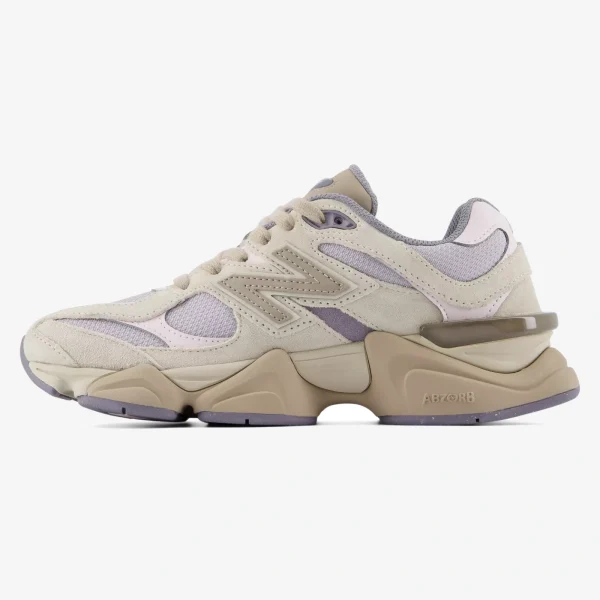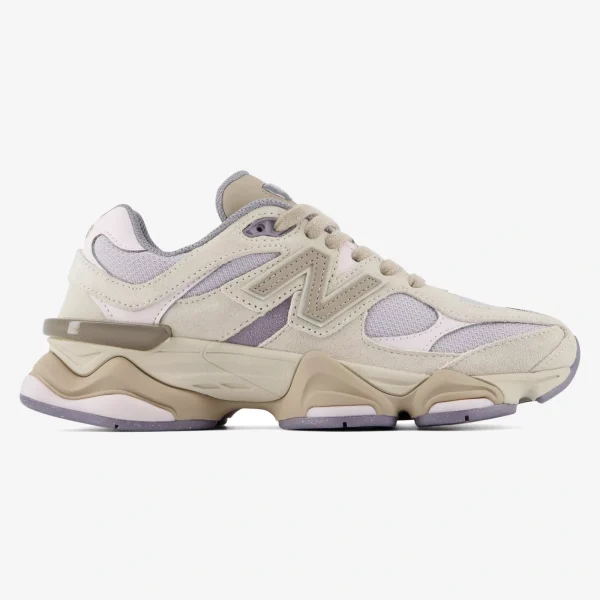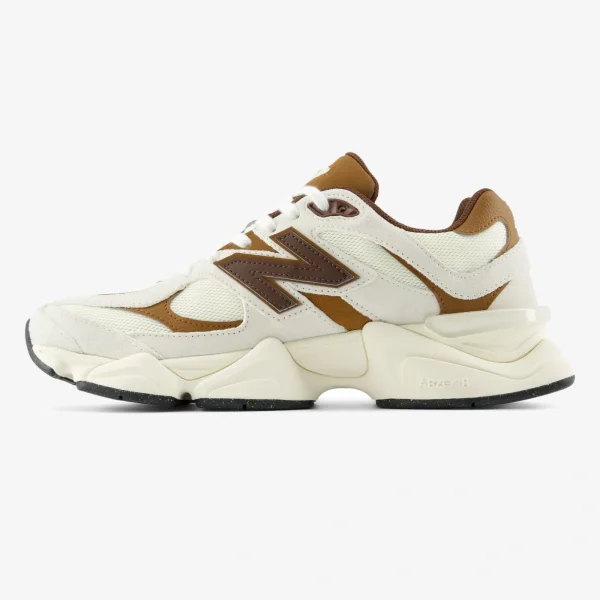

The safest way to clean suede sneakers is to dry-brush away loose dirt, lift scuffs with a suede eraser, spot-treat stains with a touch of vinegar or rubbing alcohol, let everything air-dry fully, then restore the nap with a brush and finish with a protectant spray. Skip water soaks, skip the washing machine, and skip the hair dryer. The routine below reflects what actually keeps suede looking right wear after wear.
TL;DR:
- Regular dry-brushing in the direction of the nap prevents dust and dirt from embedding deeply into suede fibers.
- Spot-treat stains with vinegar or rubbing alcohol, but avoid heavy scrubbing that can damage the nap or spread the stain.
- Oil and grease stains respond best to overnight application of baking soda or cornstarch, followed by gentle brushing.
- Air-drying shoes at room temperature with stuffing maintains shape and prevents warping or nap flattening caused by heat.
- Store suede shoes in breathable containers, use shoe trees or paper to keep their shape, and reapply protector sprays every one to two months for ongoing protection.
Table of Contents
- Supplies and tools you need before you start
- The step-by-step method for everyday grime
- Stain-specific recipes for water, oil, salt, and ink
- Drying and restoring the suede nap afterward
- Building a simple maintenance routine and storing suede right
- Why this guide reflects real sneaker care experience
- A quick suede rescue that taught us what actually works
- If you’d rather replace than restore
- Sources
- FAQ
Supplies and tools you need before you start
Suede punishes shortcuts, so gather the right kit before touching the shoe. A brass-bristle brush works on tougher scuffs, while a softer nylon brush is better for everyday dust and light grime. Keep a suede eraser and a plain pencil eraser on hand for scuffed toes and heels, plus a soft toothbrush for tight seams around the sole.
- Suede brush (brass for stubborn marks, nylon for daily upkeep)
- Suede eraser or pencil eraser for scuffs
- Soft toothbrush for seams and edges
- Microfiber cloths and a small spray bottle
- Baking soda or cornstarch for oil absorption
Before cleaning, make sure the shoes are fully dry, pull the laces out, and stuff each shoe with shoe trees or crumpled paper to hold its shape. Work on a towel or newspaper to catch debris. Avoid heat, washing machines, and harsh chemicals entirely, and test any product on a hidden patch, like the inner heel, before using it on a visible panel.
The step-by-step method for everyday grime
Most suede sneakers only need the first two steps below. Save the wetter techniques for stains that brushing alone will not lift.
- Dry-brush first. Brush in short strokes following the direction of the nap to lift dust and loosen dirt before it grinds in further.
- Erase scuffs. Rub a suede eraser or clean pencil eraser directly over scuff marks, then brush away the crumbs it leaves behind.
- Spot-treat stains. Dampen a cloth with a small amount of white vinegar or rubbing alcohol and dab from the outer edge of the stain inward, since dabbing outward from a stain helps the treated area blend rather than leaving a hard ring.
- Clean full panels evenly when needed. If one small spot cleaning would leave a visible ring, lightly mist and brush the entire panel instead so the color dries evenly.
- Let it dry completely, then reassess. Suede often darkens while wet and returns to its normal shade once dry, so resist the urge to keep scrubbing.
Pro Tip: Always brush in one direction across the whole panel after any wet treatment, never in circles, or you will end up with patchy, matted spots that catch light unevenly.
Vinegar and alcohol are common household spot treatments precisely because they usually dissolve light stains without leaving a permanent mark once the shoe air-dries. That said, there is a point where home treatment stops being worth the risk. If a stain has set for weeks, covers a large panel, or came from something you cannot identify, a professional suede or leather cleaner is the safer call than repeated scrubbing that thins the nap.
Stain-specific recipes for water, oil, salt, and ink
Different stains need different chemistry. Matching the treatment to the stain is what separates a clean shoe from a damaged one.
- Water stains: Mist or dab the area lightly with vinegar or rubbing alcohol, then leave it to dry fully before brushing, since Vogue’s suede care guide notes these solvents can lighten watermarks when used sparingly.
- Oil and grease: Cover the spot generously with baking soda or cornstarch and let it sit overnight so the powder can absorb the oil, then brush off the residue and dab any leftover mark with a trace of mild dish soap.
- Salt stains: Wipe with a barely damp cloth carrying a single drop of dish soap, pat dry, and air-dry fully, repeating once more if a faint ring remains.
- Ink: Test an alcohol-based dab on a hidden area first, since some inks set permanently into suede fibers and no home method will fully lift them.
Overnight dwell time matters more than scrubbing power. Vogue’s guide to suede care points out that letting baking soda or cornstarch sit overnight gives it time to pull oil out of the fibers before you ever pick up a brush, which is gentler on the nap than repeated rubbing.
Drying and restoring the suede nap afterward
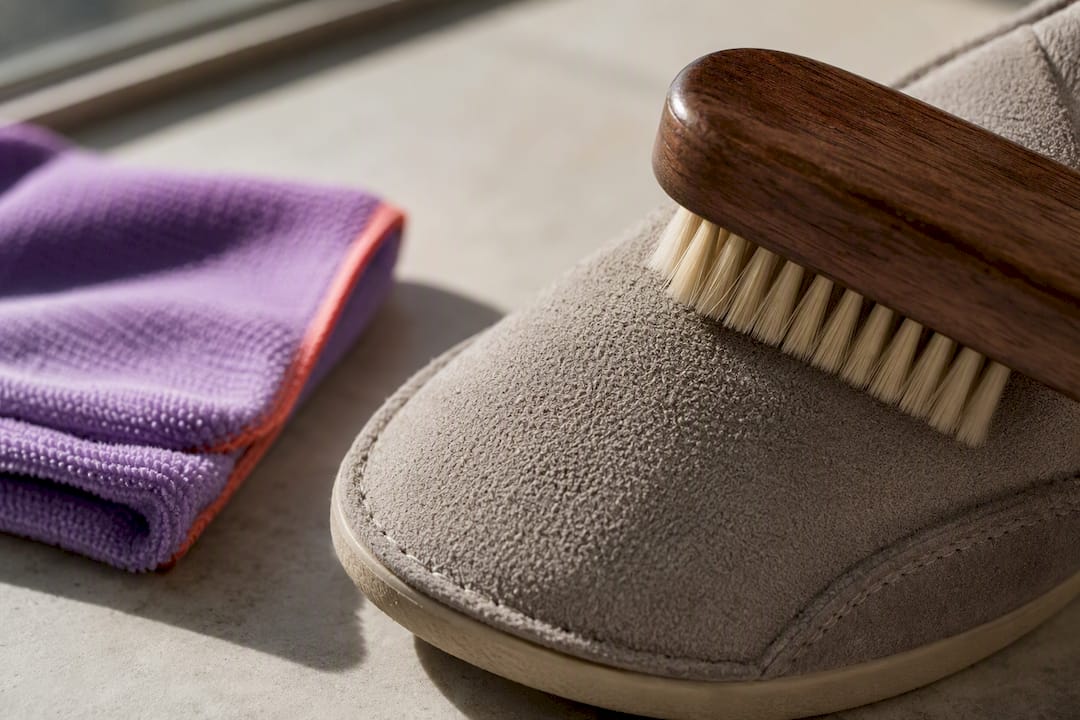
Once a shoe has been treated, how you dry it matters almost as much as the cleaning itself. Air-dry at room temperature, away from direct sun, radiators, or vents, and keep the shoe stuffed with trees or paper so it holds its shape while drying. A hair dryer or any direct heat source can warp the leather backing and leave the nap permanently flattened.
Once the suede is bone-dry, brush it again with a suede or crepe brush to lift the nap back into its soft, textured finish, working in one direction toward the grain.
- Brush toward the grain to lift fibers evenly.
- Apply suede protector spray only after the shoe is completely dry.
- Reapply protector every one to two months with frequent wear, or seasonally for occasional use.
- Check toe caps, heel counters, and seams for any missed dirt before wearing again.
Building a simple maintenance routine and storing suede right
A quick brush after every few wears does more to keep suede looking good than any deep clean. Save the fuller treatment described above for every one to three months, depending on how often you wear the shoes and what surfaces they see.
- Brush lightly after each handful of wears to prevent dust buildup.
- Deep clean every one to three months based on use.
- Store shoes in a cool, dry, breathable bag or box, never sealed plastic long term.
- Keep shoe trees or acid-free paper inside to hold shape between wears.
| Care task | How often | Why it matters |
|---|---|---|
| Light brushing | After every few wears | Prevents dust from grinding into the nap |
| Deep clean | Every one to three months | Removes buildup that brushing alone cannot lift |
| Protector spray reapplication | Every one to two months (frequent wear) | Maintains water and stain resistance |
| Storage check | Seasonally | Confirms shoes stay dry and shaped in storage |
Avoid wearing suede sneakers through heavy rain or on heavily salted roads when you can help it. Prevention costs a few extra seconds; repair costs an evening with baking soda and a brush.
Why this guide reflects real sneaker care experience
Many sneaker sellers ship suede and leather sneakers across various countries, which means fielding care questions from customers wearing these shoes in very different climates and conditions. That range, from humid coastal wear to dry winter salt, shapes the practical steps above rather than a single lab test. A short photo series or demo video walking through each step would make the process even easier to follow at home.

A quick suede rescue that taught us what actually works
One returned pair had a heavy grease stain across the toe that looked hopeless at first glance. An overnight coat of baking soda pulled most of it out, and a gentle dish soap dab handled the faint shadow left behind. The real lesson was knowing when to stop scrubbing and let the powder do the work instead of forcing it with more pressure or more product.
— DELTITECH
If you’d rather replace than restore
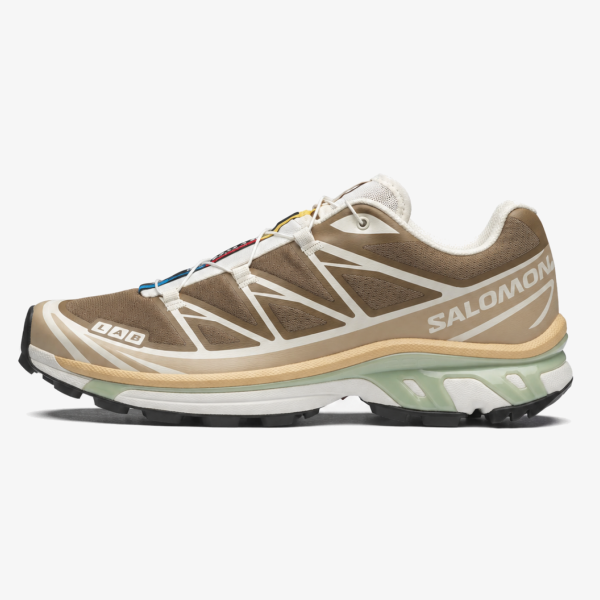
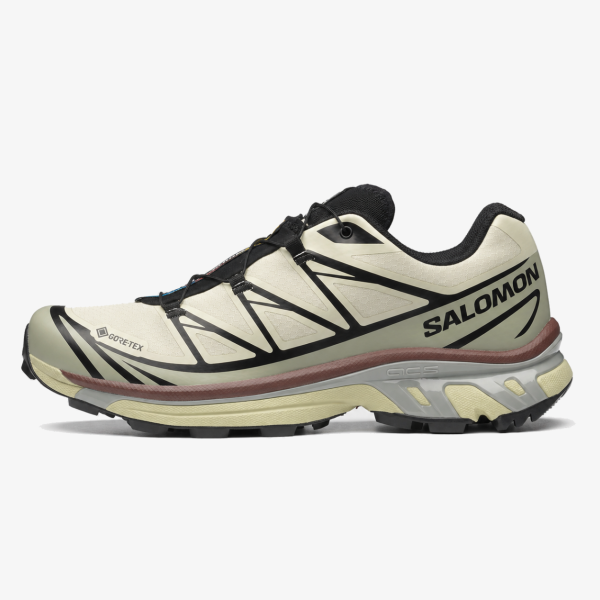
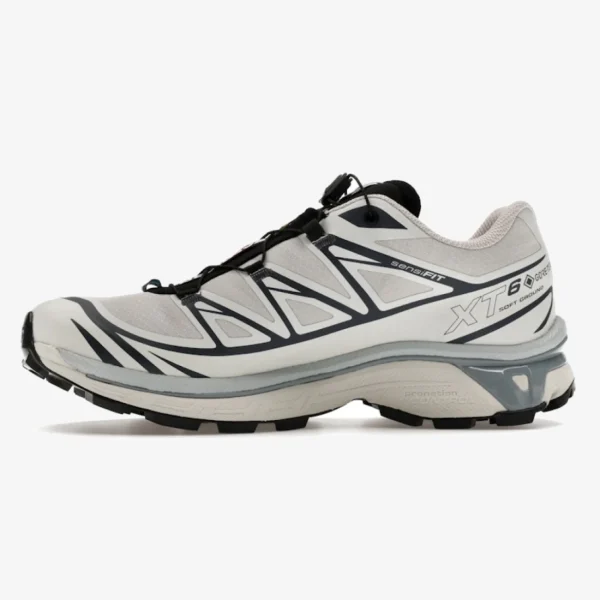
Sometimes a stain wins, or you simply want a fresh pair instead of another round of spot treatment. Some sneaker stores stock authentic suede and leather sneakers alongside care tools like brushes and protector sprays, sometimes offering fixed prices with free express shipping. If you want a clean slate, the ASICS Gel NYC 2.0 ‘White Cream Purple’ and ASICS Gel NYC 2.0 ‘Gravel Cream’ both lean on durable suede panels, and the Salomon XT-6 ‘Coyote Brown Safari Sahara Sun’ mixes suede with more weather-resistant materials.

Browse the full shoes collection to compare styles before you decide, or check out the ASICS lineup directly for more suede options.
Sources
For deeper detail, Vogue’s suede cleaning guide covers stain removal fundamentals, while Popular Mechanics breaks down spot-treatment chemistry in more technical terms. Wirecutter, CNN Underscored, and NBC Select also publish tested suede care comparisons worth checking for tool recommendations.
FAQ
Can I use Dawn dish soap on suede shoes?
A small drop of mild dish soap diluted in water can help lift salt residue or greasy residue when dabbed on with a barely damp cloth. Use it sparingly and only as a final touch after baking soda or cornstarch has absorbed the bulk of an oil stain.
Does vinegar clean suede shoes?
White vinegar works well as a spot treatment for water stains and light discoloration when applied sparingly and dabbed rather than soaked in. The suede may darken temporarily while wet, but it typically returns to its normal color once fully air-dried.
What is the best homemade shoe cleaner for suede?
Baking soda or cornstarch left on an oil stain overnight before brushing away is one of the most reliable homemade methods, since the powder absorbs grease before it sets deeper into the fibers. For water marks, a vinegar or rubbing alcohol dab handles most cases.
Can magic eraser clean suede?
A melamine sponge, the kind sold as a magic eraser, can help on stubborn spots because it works similarly to light abrasion from baking soda, but it should be used sparingly and tested on a hidden area first. Overuse can wear down the nap, so it works best as an occasional tool rather than a regular one.
How often should I deep clean suede sneakers?
Most suede sneakers need a full clean every one to three months depending on how often you wear them and what conditions they see. Light brushing after every few wears in between keeps dust from building up and reduces how often a deep clean is needed.