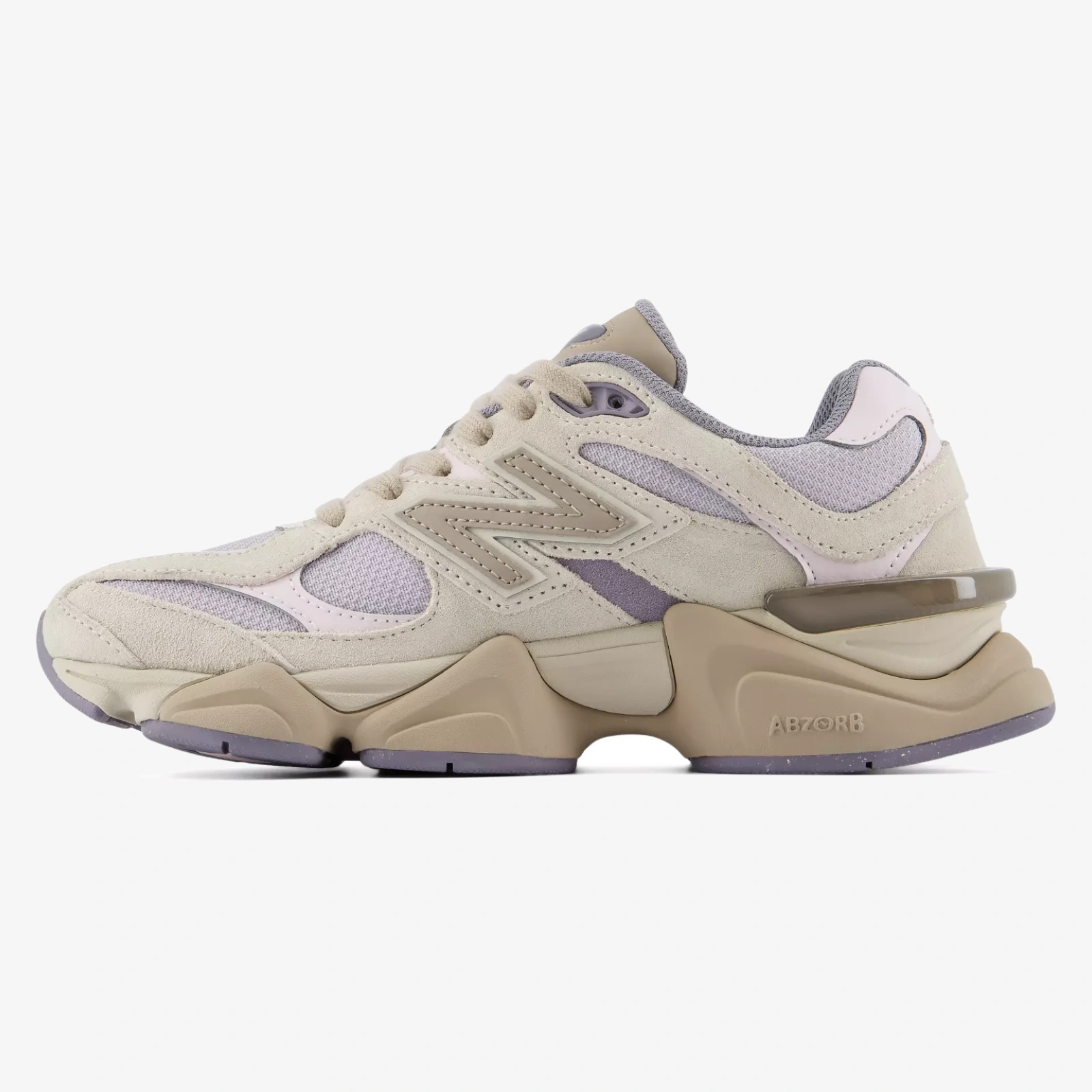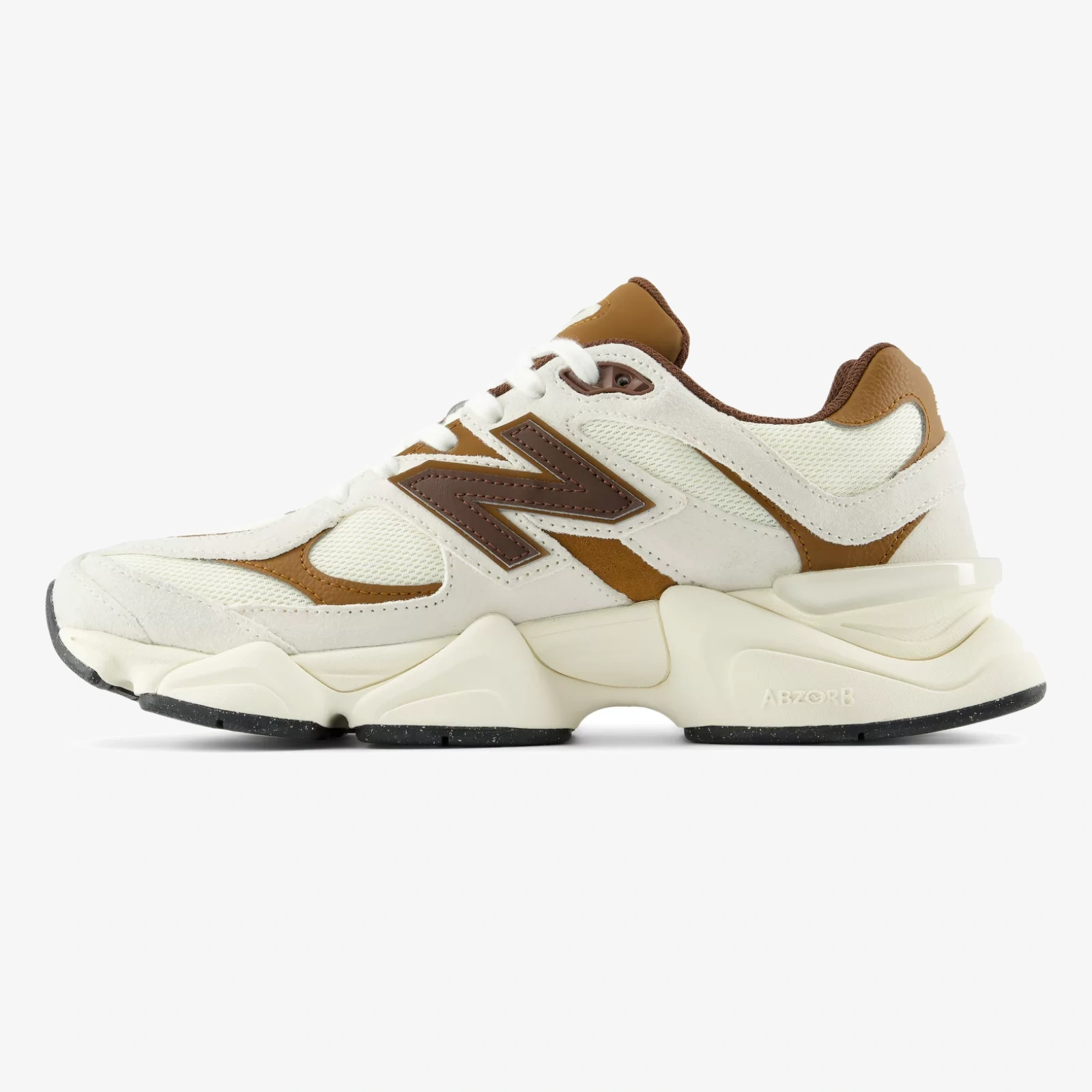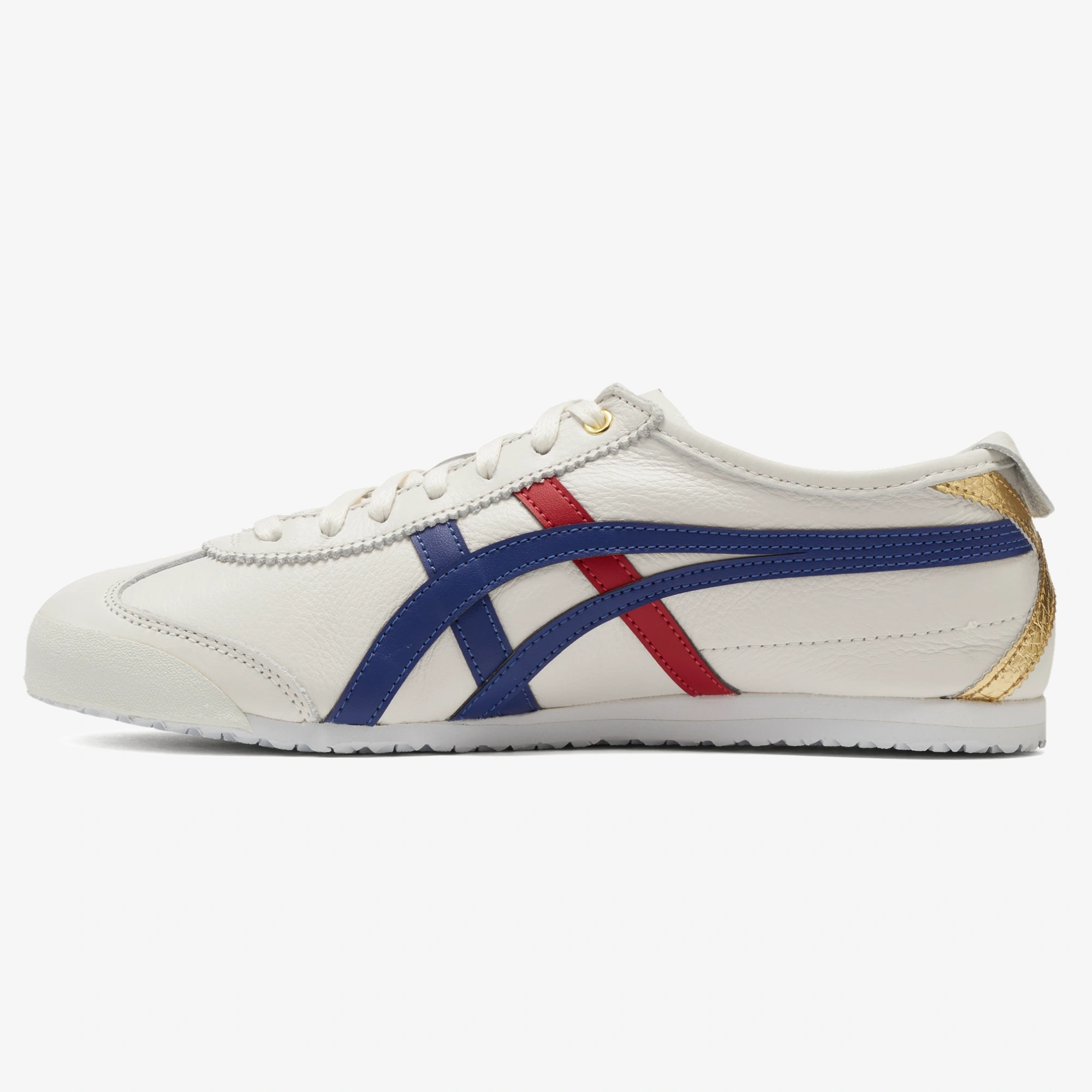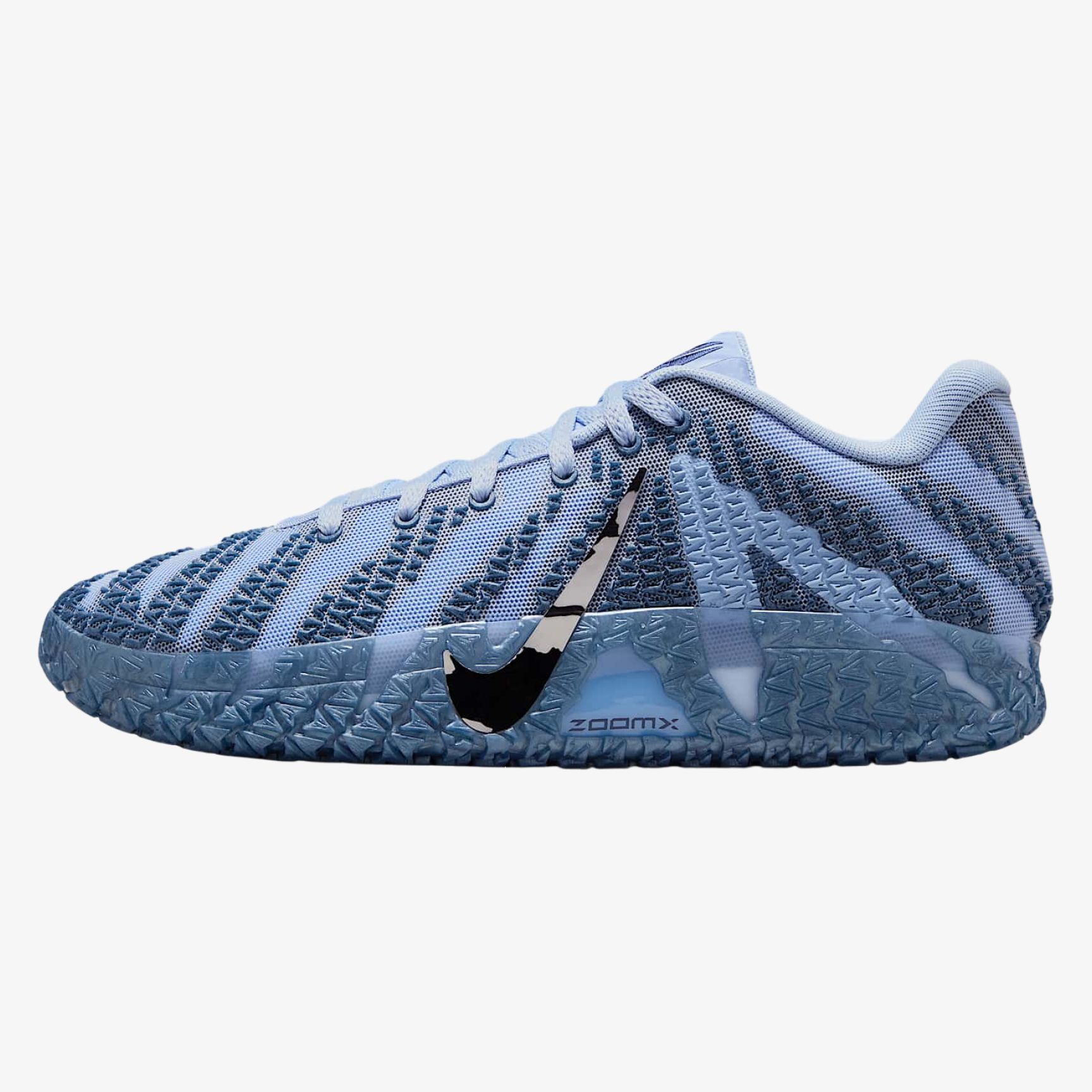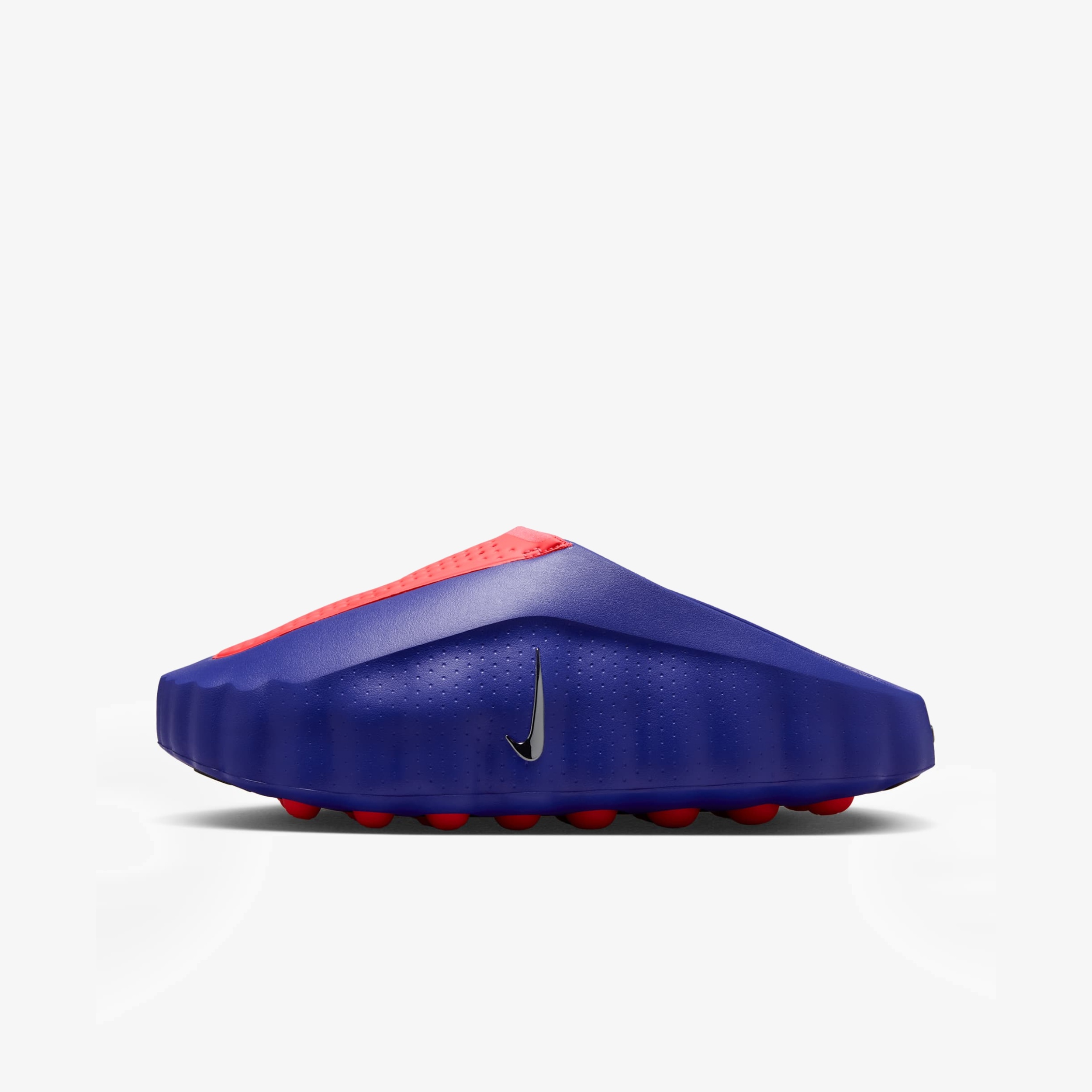


Runners sticking to pavement and sidewalks do best in road shoes, those tackling roots, rock, and singletrack need trail shoes, and anyone mixing gravel paths with paved stretches usually gets more mileage from a road-to-trail hybrid. The choice comes down to three trade-offs: how much traction you need underfoot, how much protection your foot requires from rocks and debris, and how fast the outsole wears on a given surface.
TL;DR:
- Trail shoes feature deeper, stickier lugs and added protection like rock plates, which increase grip and durability on technical terrain but also add weight.
- Road shoes prioritize smoother outsoles, lighter weight, and more flexible materials, making them better suited for pavement and long-distance speed.
- Hybrid shoes balance grip and cushioning, ideal for runners with mixed routes involving gravel, dirt, and paved surfaces, especially for longer efforts.
- Proper fit differs: trail shoes need secure lockdowns for technical terrain, while road shoes offer a looser fit for repetitive forward motion, with size adjustments recommended for toe comfort.
- Regular trail shoes can be used for casual road walking, but aggressive lug wear and less smooth ride make dedicated shoes preferable for higher mileage or city use.
Table of Contents
- Technical differences: outsoles, protection, midsole, fit, and weight
- Decision guide: pick road, trail, or hybrid based on terrain and goals
- How trail and road shoes should fit and what to test when trying them on
- Common cross-use questions: trail shoes on pavement, walking, and daily wear
- DELTITECH’s perspective and recommended SKUs from our catalog
- What matters more than gear specs
- Where to buy and try the recommended trail shoes
- Primary sources and studies that back up the article
- Sources
- FAQ
Technical differences: outsoles, protection, midsole, fit, and weight
The gap between a road shoe and a trail shoe starts at the outsole. Trail shoes typically use deeper lugs, commonly in the 3 to 6 millimeter range and up to 8 to 12 millimeters for mud-specific models, paired with a stickier rubber compound designed to bite into dirt, roots, and wet rock, according to iRunFar’s trail shoe testing. Road shoes go the other direction: shallow tread, harder rubber, and a smoother surface built for consistent grip on asphalt and concrete without excess rolling resistance.
Protection is the second big split. Trail models often add a rock plate in the midsole, a reinforced toe bumper, and a debris-resistant upper to keep sharp stones and roots from bruising the foot on technical ground. Road shoes skip most of that armor because the surface underfoot is predictable, so the priority shifts to cushioning and rebound instead of shielding.
Midsole behavior changes the ride more than most runners expect. A stiffer, more protective trail midsole resists twisting on uneven ground but can feel harsh on flat pavement. A softer, higher-stack road midsole delivers a smoother ride at speed but offers little stability on loose or slanted terrain. Drop (the height difference between heel and forefoot) also tends to run lower in trail shoes to improve ground feel and balance on technical sections.
Fit differs too. Trail shoes generally build in a wider, more secure heel lockdown to prevent slipping during lateral movement, along with tighter midfoot control to keep the foot from sliding inside the shoe on descents. Road shoes prioritize a more relaxed forward fit tuned for repetitive, straight-ahead motion at pace.
Key differences worth remembering when comparing the two categories:
- Outsole: trail lugs run deeper and stickier for grip; road outsoles stay shallow and durable for pavement miles.
- Protection: trail shoes add rock plates and reinforced uppers; road shoes rely on lighter, more flexible materials.
- Midsole and drop: trail models favor stability and low-drop ground feel; road models favor cushioning and rebound.
- Fit: trail shoes lock the heel and midfoot down harder; road shoes fit looser through the forefoot for repetitive strides.
- Weight: trail shoes carry more grams for protection; road shoes stay light to support faster turnover.
Trail shoes usually add 3 to 6 millimeters of lug depth over road shoes, with mud-specific designs reaching 8 to 12 millimeters, a difference that directly determines how much grip you get on loose or wet terrain versus how much extra weight and stiffness you carry on flat ground, per iRunFar.
Cushioned road models like the Nike ZoomX Invincible Run Flyknit 3 and Nike Air VaporMax 2023 Flyknit illustrate the road end of that spectrum: high stack, soft ride, minimal underfoot protection because none is needed on flat, predictable surfaces.
Decision guide: pick road, trail, or hybrid based on terrain and goals
Matching shoe to terrain is mostly mechanical once you know your typical route. A short decision flow works better than agonizing over spec sheets:
- Mostly pavement or sidewalk: choose a road shoe built for cushioning and turnover, such as options in Adidas Ultra Boost or a similar cushioned road line.
- Packed dirt or gravel paths, occasional pavement: a road-to-trail hybrid gives you enough grip without sacrificing pavement comfort.
- Mixed routes with some singletrack: lean trail, since the protection and traction matter more than the small pavement penalty.
- Technical singletrack, roots, or rocky climbs: a full trail shoe with a rock plate and aggressive lugs is the safer call.
- Mud or loose, wet terrain: go with a mud-specific trail shoe carrying the deepest lug pattern available.
Distance changes the calculus too. Fast, short efforts favor lighter shoes regardless of surface, while long days or ultras reward the extra stability and protection a trail shoe offers, even at the cost of some added weight. A stiffer midsole that feels overbuilt on a 5K can feel like a relief 20 miles into a technical ultra.
A few runner profiles make the choice concrete: a commuter running mostly sidewalks wants a road shoe, a weekend trail runner hitting local singletrack wants a dedicated trail shoe, a road racer testing out trail running for cross-training benefits can start with a hybrid before committing to a full trail model, and a gravel commuter mixing bike paths and dirt shoulders is squarely in road-to-trail territory. Trail shoes generally wear out faster when used off-label on pavement, which factors into cost per mile if your routes are mixed.
How trail and road shoes should fit and what to test when trying them on
Sizing rules differ slightly between the two categories. Many runners use the same nominal size in both, but a half-size up in trail shoes is worth considering if your routes include long descents or frequent toe strikes against rocks and roots, a point echoed in sizing guidance from iRunFar.
When trying on a pair, check a few specific things before committing:
- Toe room: you want enough space to avoid toe-jamming on downhills without so much room that your foot slides forward.
- Heel slip: the heel should stay locked during a simulated side-to-side or downhill motion, not just standing still.
- Midfoot lockdown: laces or straps should hold the foot secure without pressure points across the top of the foot.
- Sock and insole thickness: thicker trail socks or an orthotic insert can change fit by a half size, so try shoes with what you’ll actually wear.
Pro Tip: Look for a gusseted tongue or a lace toggle on trail shoes since both help keep grit and small debris from working into the shoe during long runs.
Common cross-use questions: trail shoes on pavement, walking, and daily wear
Trail shoes can be worn on roads, but expect faster outsole wear and a less smooth ride because of the deeper lugs and firmer midsole geared toward off-road grip, a trade-off iRunFar’s testing confirms consistently. Softer-compound trail shoes and road-to-trail hybrids with smaller lugs tolerate pavement stretches noticeably better than aggressive, deep-lug trail models built for mud or technical terrain, and testers at GearJunkie point to these hybrids as the better pick for anyone splitting time between surfaces.
- Daily wear or walking: trail shoes work fine for casual use, though the lugs will show abrasion faster on concrete than dirt.
- Frequent surface mixing: alternating two pairs, one road and one trail, extends the life of both instead of running either into the ground prematurely.
- Genuine daily crossover: a road-to-trail model is the more efficient buy if pavement and dirt show up in roughly equal measure on your weekly routes.
DELTITECH’s perspective and recommended SKUs from our catalog
A specialized sneaker retailer offers a wide selection of authentic styles across major brands, organized so shoppers can filter by brand and use case rather than digging through unrelated categories.
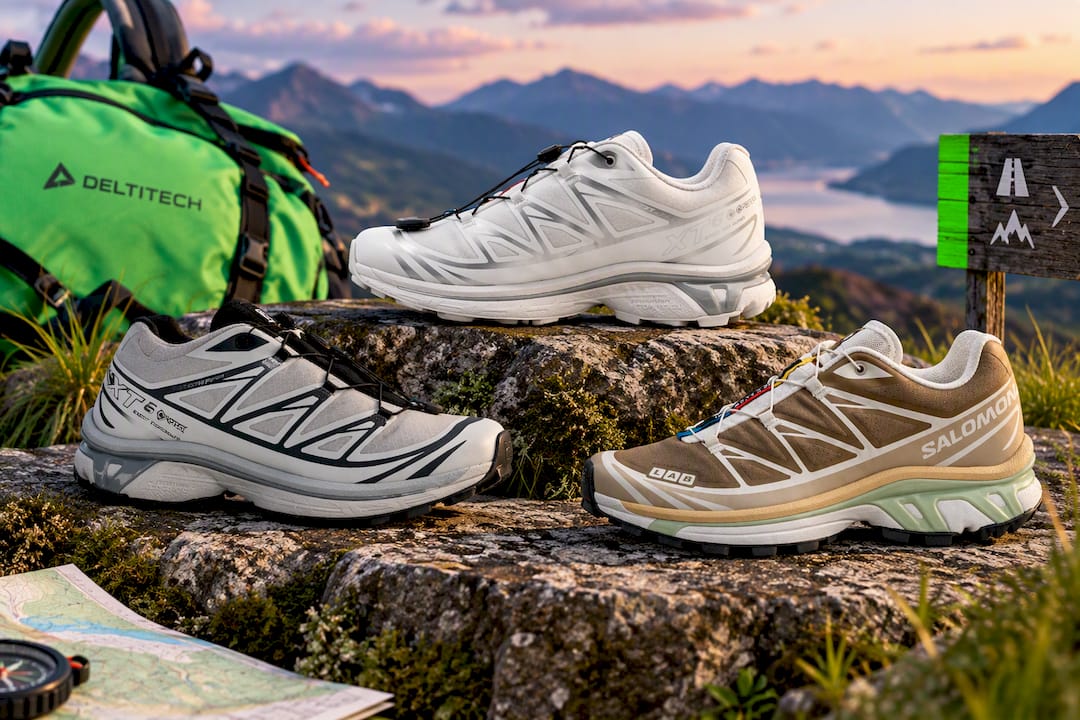
For runners who need genuine trail capability, three listings in our catalog match the technical requirements covered above:
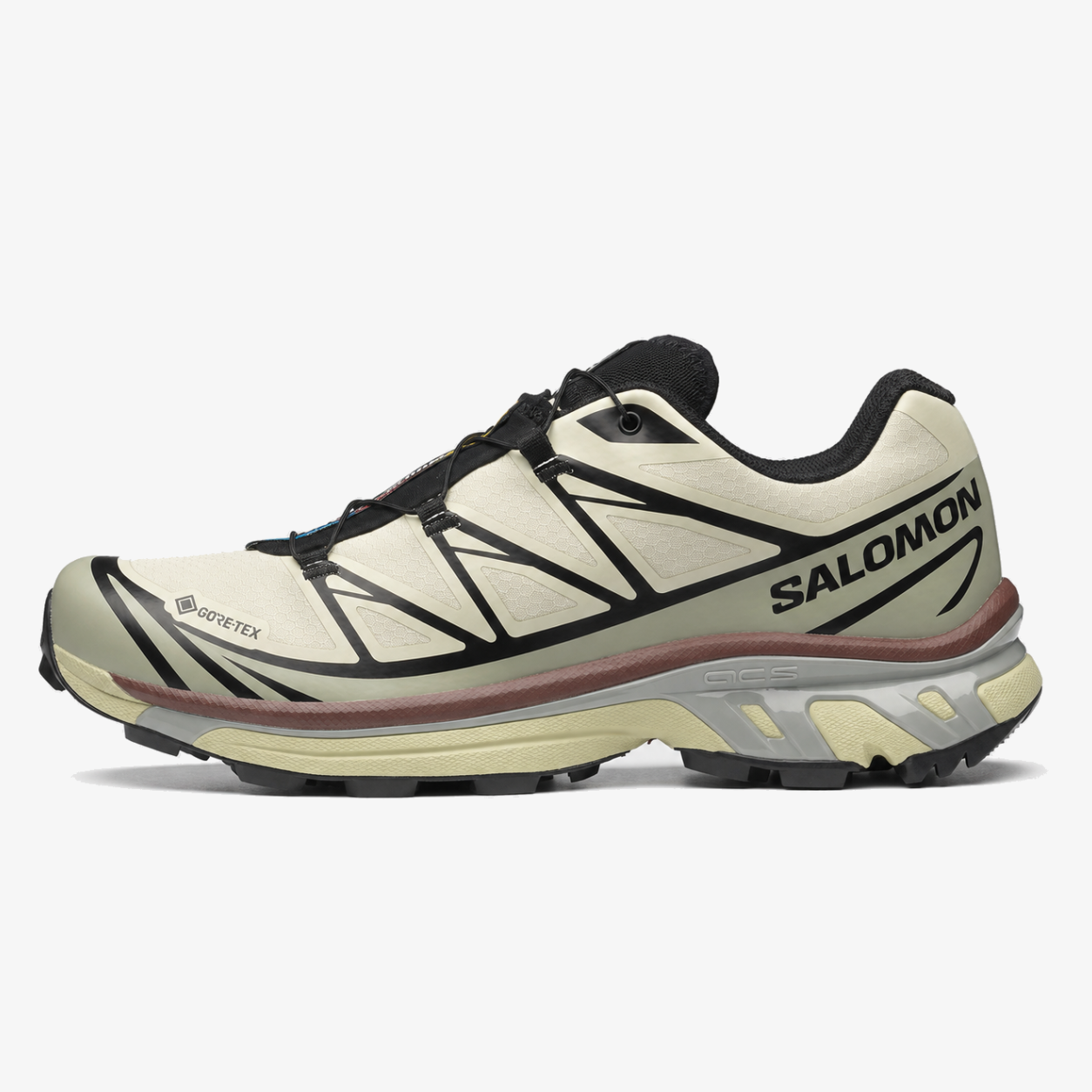
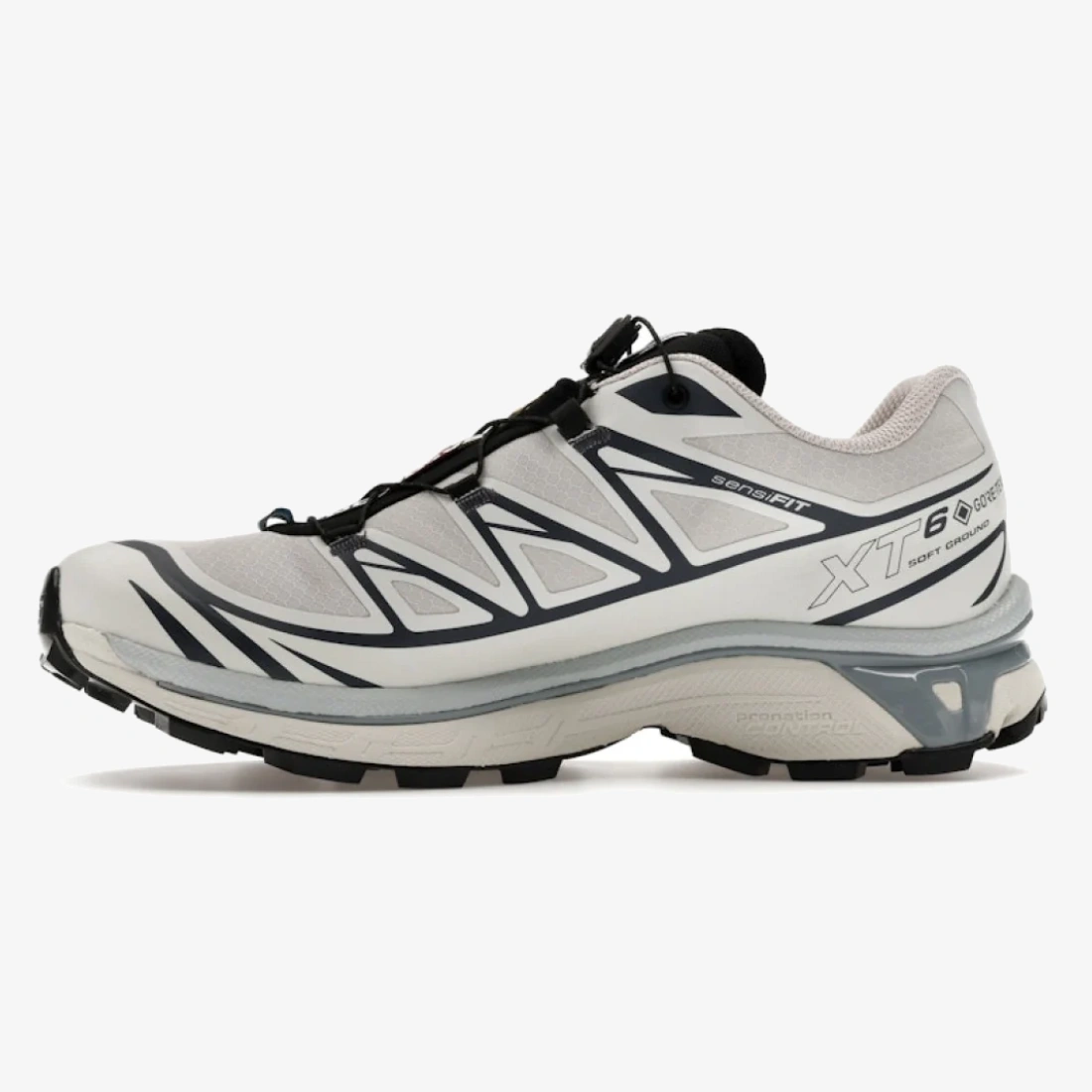
- Salomon XT-6 Gore-Tex ‘Silver Cloud Black’: the Gore-Tex membrane adds weather protection for wet or muddy conditions without sacrificing the aggressive outsole grip technical terrain demands.
- Salomon XT-6 Gore-Tex ‘White Silver’: same waterproof build in a lighter colorway, suited to runners who want the protection of a rock plate and reinforced upper for rooty or rocky routes.
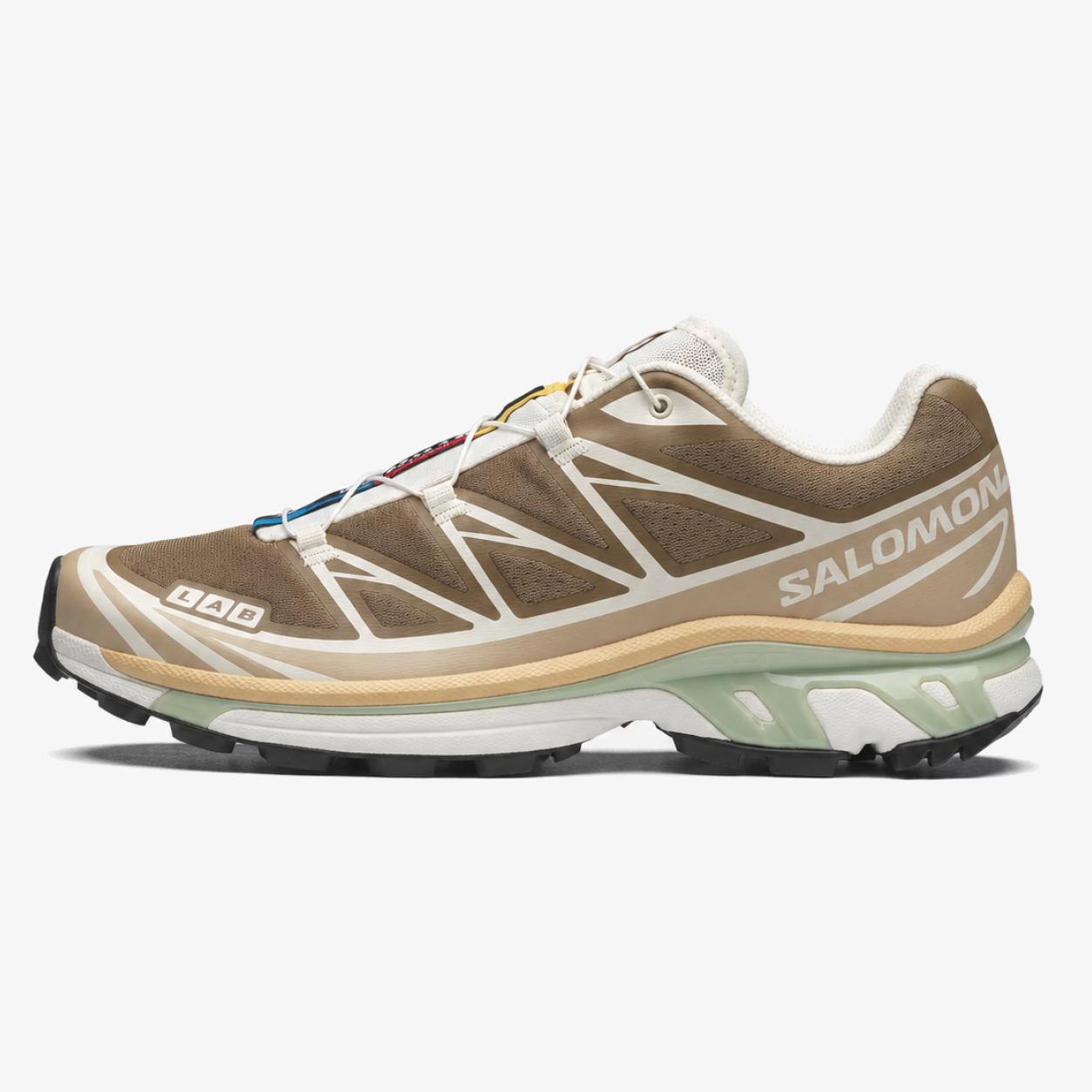
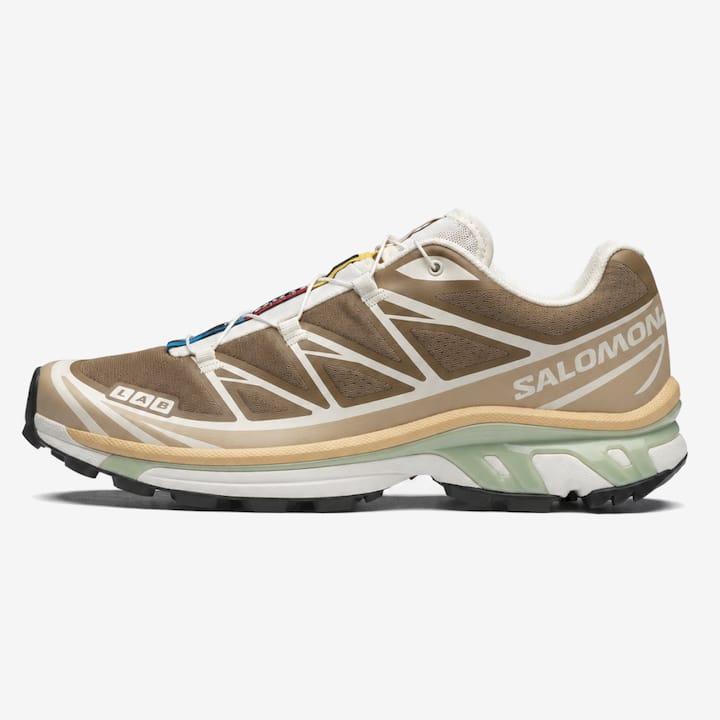
- Salomon XT-6 ‘Coyote Brown Safari Sahara Sun’: the non-Gore-Tex version for drier climates, keeping the stability platform that matters most on technical singletrack.
Every order ships with fixed pricing (no bidding, no checkout fees) and free express shipping to certain regions.
What matters more than gear specs
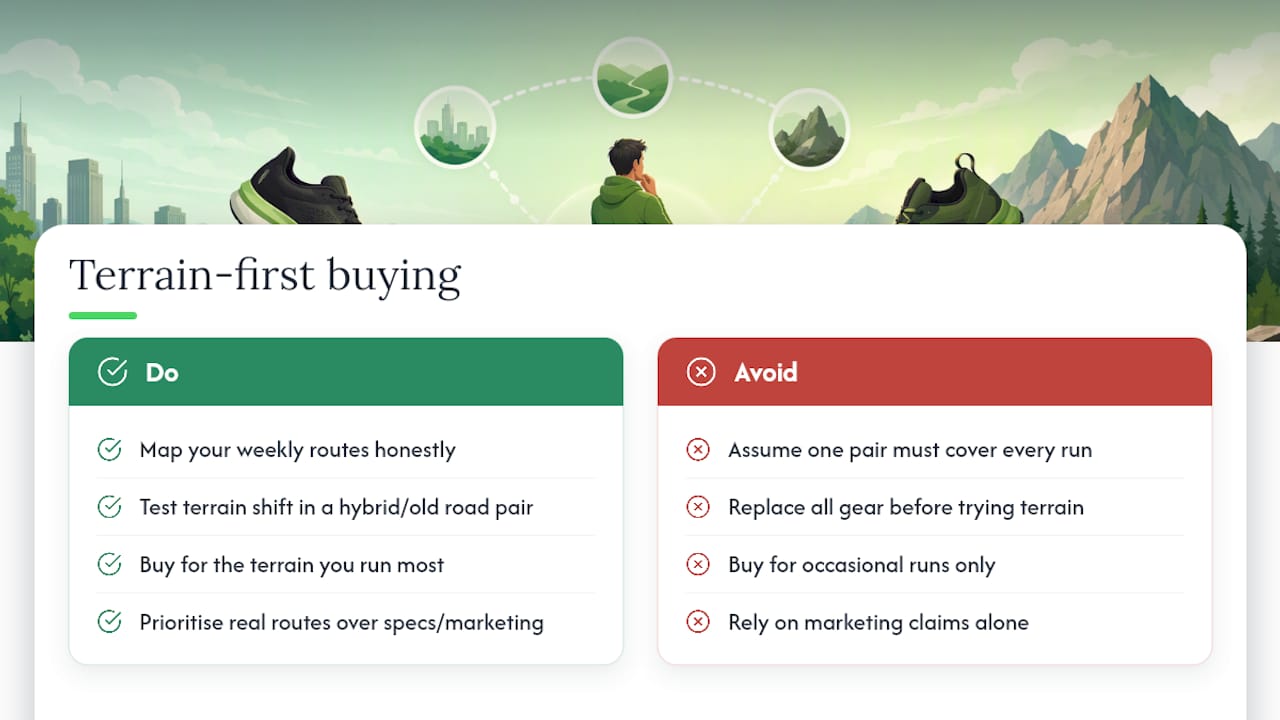
The biggest mistake runners make isn’t choosing the wrong shoe category, it’s assuming any single pair has to cover every run they’ll ever do. A rock plate and deep lugs that feel essential on a rooty climb become dead weight on a paved warm-up mile, and the widely cited advantage of advanced cushioning technology on flat roads does not carry over to technical mountain terrain, where a 2025 MDPI study found no performance benefit and recorded biomechanical changes that worked against runners on hilly ground.
Conventional advice tends to oversell the idea that trail running requires a complete gear overhaul before you start. It doesn’t. Most runners test the terrain shift first in a hybrid or an older road pair before investing in a dedicated trail shoe, and that’s the right order of operations. What you should prioritize first is honest terrain mapping of your actual weekly routes, not the shoe with the most aggressive marketing claims. Buy for the terrain you run most, not the terrain you run occasionally.
— DELTITECH
Where to buy and try the recommended trail shoes
DELTITECH carries all three Salomon XT-6 colorways discussed above, along with 700+ other authentic styles from Nike, Adidas, New Balance, ASICS, and Onitsuka Tiger, at one fixed price with no bidding and no added checkout fees. If you’re deciding between the Silver Cloud Black and White Silver Gore-Tex builds or the non-waterproof Coyote Brown Safari Sahara Sun version, ordering from a single fixed-price source makes comparing sizing and colorways straightforward instead of chasing separate listings across resale platforms.
Browse the full men’s and women’s shoe catalog to compare road, trail, and hybrid options side by side, with free express shipping to the United States, Canada, and Australia on every order.
Primary sources and studies that back up the article
- Effects of Trail Running versus Road Running (PMC): a randomized controlled trial comparing matched trail and road training blocks.
- Runner’s World: trail running vs road running: coach and runner commentary on neuromuscular demands and training feel.
- iRunFar’s Best Trail Running Shoes guide: hands-on testing of lug depth, compounds, and sizing.
- MDPI study on advanced footwear technology in mountain running: biomechanical testing of road-tech cushioning on technical terrain.
Sources
- Effects of Trail Running versus Road Running—Effects on Neuromuscular and Endurance Performance—A Two Arm Randomized Controlled Study
- Trail running vs road running – Runner’s World
- Best Trail Running Shoes of 2026 (Updated September) – iRunFar
- The Impact of Advanced Footwear Technology on the Performance and Running Biomechanics of Mountain Runners
FAQ
Is it okay to wear trail shoes on the road?
Yes, trail shoes can be worn on roads, but the deeper lugs and firmer midsole tend to wear faster and feel less smooth than a dedicated road shoe on pavement, according to iRunFar’s testing. Softer-compound trail shoes or road-to-trail hybrids tolerate pavement better than aggressive mud-specific models.
Are trail shoes good for road walking?
Trail shoes generally work fine for walking on roads since walking puts less repetitive stress on the outsole than running. The main trade-off is that the lugs will abrade faster on concrete than they would on dirt or gravel trails.
Can I use trail shoes for daily use?
Trail shoes hold up well for daily wear, including errands and casual walking, since that use is far less demanding than trail running itself. Expect the tread pattern to wear down faster on pavement than it would on natural terrain.
Are trail shoes good for road running?
Trail shoes are not ideal for regular road running because their protective features and aggressive traction add weight and stiffness with no real benefit on flat, predictable pavement. A dedicated road shoe or a road-to-trail hybrid, as recommended by testers at GearJunkie, suits pavement mileage better.