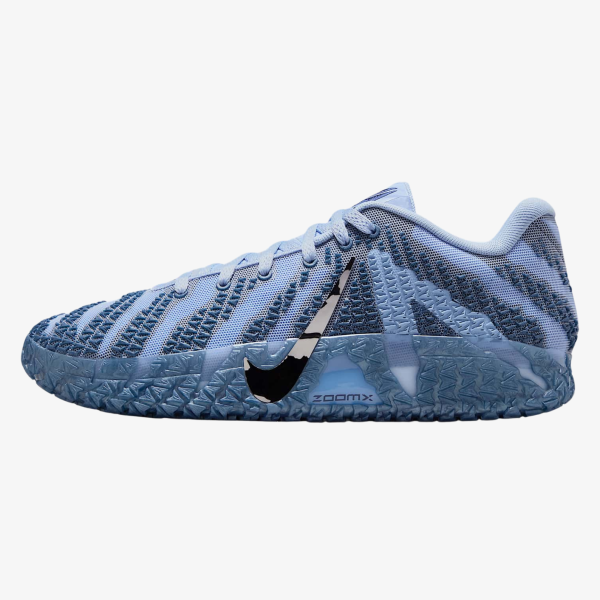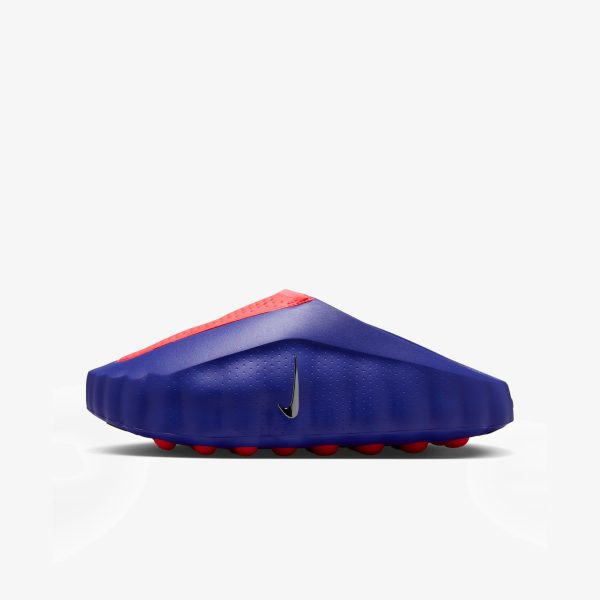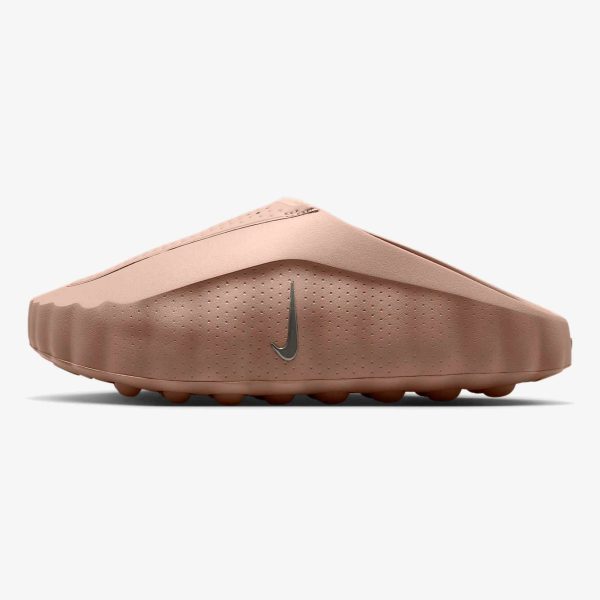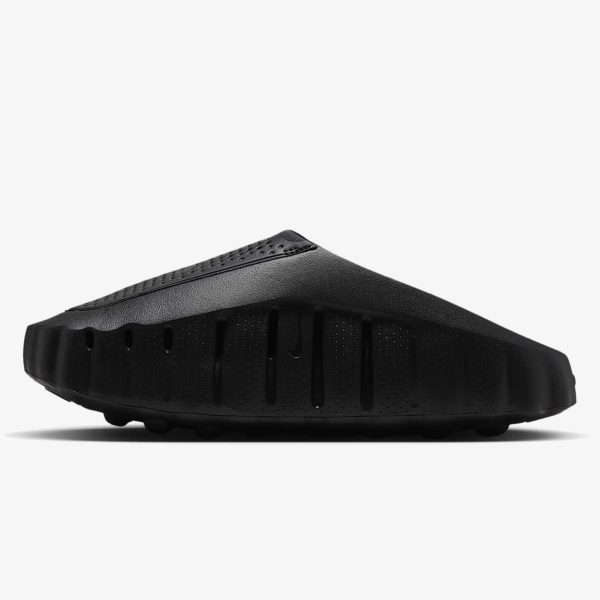


Whether you can return a pair of sneakers depends on the seller, the shoes’ condition, and how much time has passed since you bought them. If you take one action right now, make it this: find the seller’s stated return window before you even try the shoes on, and keep the photos, box, tags, and order number ready in case you need them.
TL;DR:
- Most sneaker stores allow returns only within specific timeframes, with the longest being up to 90 days for unworn shoes, depending on the brand.
- Returning worn shoes generally requires a defect claim supported by clear photos, receipt, and documentation, as most policies exclude returns for just discomfort or change of mind.
- Buying directly from a brand or through a membership program often offers longer trial periods and more flexible return conditions than third-party marketplaces or general retailers.
- Returning shoes involves following precise steps: confirming policy, gathering evidence, using the correct return channel, and maintaining proof of shipping and refund timelines.
- Regional consumer laws in the EU and UK provide extra protections for defective goods, but simple change-of-mind returns still depend on the seller’s published conditions.
Table of Contents
- What return policies usually include
- Worn vs. unworn and defect claims: how to tell which path applies
- Step-by-step return checklist for mail and in-store returns
- How major policies differ: representative brand/retailer patterns and channel differences
- Consumer-rights and regional rules that affect returns
- Tips to avoid return rejection and speed refunds
- DELTITECH: how we handle returns and why readers can trust us
- Handling returns for gift purchases
- Physical stores versus online platforms: what changes
- Quick buying guidance: when to prioritize flexible returns over price
- Shop with a returns process you can actually read
- Primary sources and official policy pages used for this article
- Sources
- FAQ
What return policies usually include
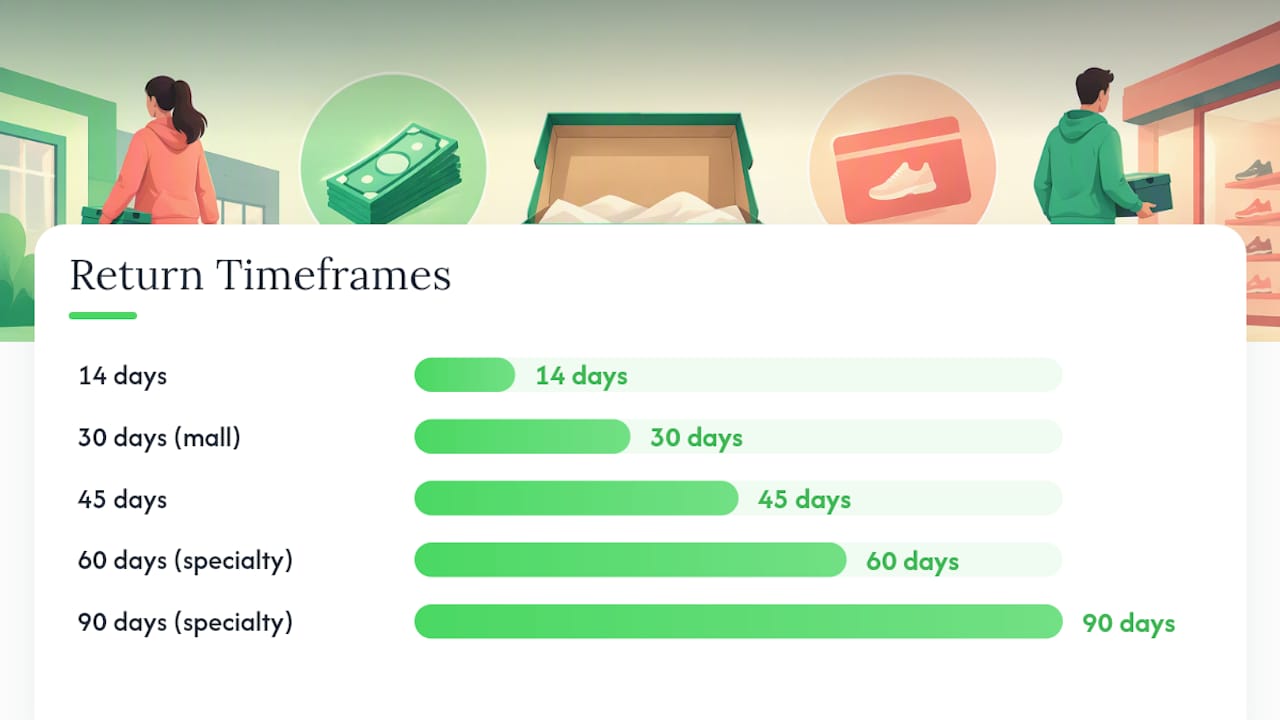
Most sneaker return policies share the same building blocks, even when the numbers differ. Timeframes typically run 14, 30, 45, 60, or 90 days from purchase, and where a retailer lands on that scale usually reflects how much risk it is willing to absorb on unsold or lightly worn inventory. A standard mall retailer might give you 30 days; a specialty running brand chasing loyalty might stretch that to 60 or 90.
Condition rules are where most disputes start. Most mainstream retailers require sneakers to be unworn and in original packaging for a standard refund, and returns of worn footwear are typically rejected unless you can show a defect. Some brands carve out a middle path: a trial period where light indoor wear is fine, followed by a stricter window for anything beyond that.
Refunds themselves are not always as simple as “you get your money back.” A few patterns show up again and again:
- Refunds usually cover the item price but not your original shipping charge, unless the return is due to a seller error or defect.
- Restocking fees can apply when the box is damaged, tags are missing, or the shoes show wear beyond a light try-on.
- Store credit, rather than a refund to your original payment method, is common for “gently used” or past-window returns.
- Final sale, outlet, and clearance items are frequently excluded from returns entirely, so the discount often comes with a tradeoff.
Buying through a third-party marketplace or an outlet channel changes the rules again, since those purchases often fall under a different policy than the brand’s own site.
Worn vs. unworn and defect claims: how to tell which path applies
The first thing to figure out is whether your situation is a change-of-mind return or a defect claim, because sellers treat them very differently. A change-of-mind return, meaning you simply decided the shoes are not for you, is entirely at the seller’s discretion and governed by whatever policy they have published. A defect claim, on the other hand, can be backed by consumer protection law in many countries, which gives you rights the seller cannot simply opt out of.
Some sellers explicitly welcome worn shoes as part of a trial: ASICS accepts gently used footwear for in-store returns within 30 days, though that path leads to store credit rather than a refund to your card. Nike’s structure leans the same direction for logged-in members, whose accounts often unlock a longer trial window that tolerates real-world wear, while guest checkouts are held to a stricter unworn standard.
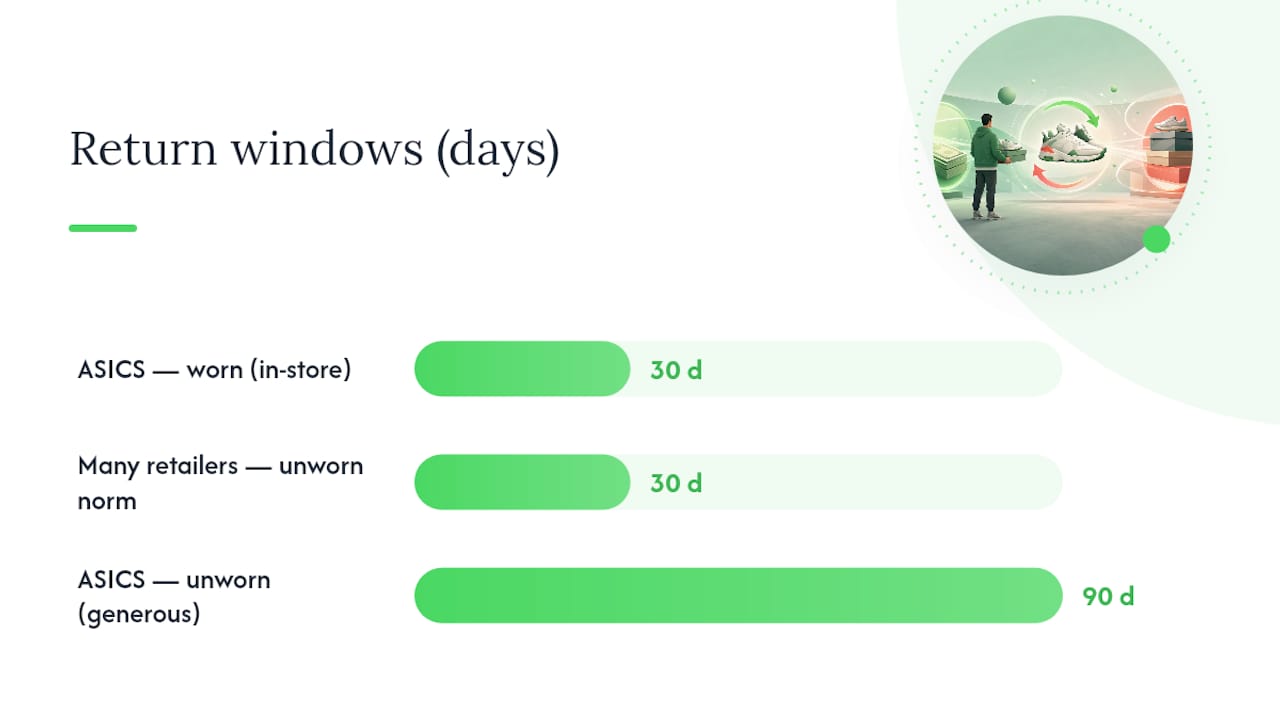
A 90-day standard return window on unworn purchases is one of the more generous timeframes among major sneaker brands, according to ASICS’s own policy, compared to the 30-day norm at many general retailers. That gap matters if you are the type of shopper who needs a few weeks to decide whether a shoe actually fits your foot.
If you are building a defect claim rather than a simple return, documentation carries the weight:
- Clear photos of the defect from multiple angles, taken as soon as you notice it.
- A note of the date you first wore the shoes, since sellers often ask how long you used them before the issue appeared.
- Your original purchase receipt or order confirmation as proof of purchase and price.
Step-by-step return checklist for mail and in-store returns
A sneaker return goes smoothly when you treat it like a small project with a deadline, not an afterthought. Here is the order that keeps you out of trouble:
- Confirm the policy before you act. Read the seller’s return window, condition requirements, and exceptions on their site, and take a screenshot in case the page changes later.
- Gather your paperwork and evidence. Pull together your order number, receipt or emailed confirmation, the original shoebox, and photos of the shoes exactly as they arrived.
- Start the return through the correct channel. Use the seller’s online return portal for mail-back returns, or bring the shoes and receipt to a physical store if that option exists; watch for return-to-carrier deadlines tied to instant refunds, since missing them can reverse a refund that already landed in your account.
- Ship with tracking and hold onto everything. Drop the package off well before any stated deadline, save the tracking number, and note the refund timeline the seller quoted you.
If the refund does not show up when promised, contact customer service with your tracking confirmation and order number in hand rather than a vague complaint, since a documented timeline is what moves an escalation forward.
Pro Tip: Photograph the shoes, the box, and the shipping label together before you seal the package, so you have proof of condition the moment the return leaves your hands.
How major policies differ: representative brand/retailer patterns and channel differences
Buying direct from a brand tends to open the door to the most flexible returns. Nike’s membership program can extend the standard return window and tolerate genuine trial wear in a way that guest checkouts, capped at a shorter unworn window, do not. Running-focused brands follow a similar logic: several offer explicit trial guarantees, letting you wear the shoes outdoors for weeks before deciding, a structure mass retailers rarely match.
General retailers operate under a different incentive. Because they stock hundreds of brands and cannot verify wear claims as easily, chains like DSW, Walmart, and Target typically hold the line at unworn, tagged returns within a defined window. That is not a flaw so much as a tradeoff: broad selection and easy in-store access, in exchange for less room to test-drive a shoe.
A few patterns worth knowing before you check out:
-
Purchases made through a third-party marketplace usually must be returned to that marketplace or seller, not to the brand directly, since brands generally will not process returns for items bought elsewhere.
-
Purchases made through a third-party marketplace usually must be returned to that marketplace or seller, not to the brand directly, since brands generally will not process returns for items bought elsewhere.
-
Outlet and clearance purchases often carry shorter windows or exclude returns altogether, separate from the brand’s standard policy.
-
Membership programs can unlock longer windows or worn-return allowances that guest accounts do not get.
-
Store-credit-only paths are common once you are past the strict unworn window but still within a broader “gently used” grace period.
Knowing which category your purchase falls into, direct, retailer, outlet, or marketplace, tells you which policy actually governs your return before you even open the box.
Consumer-rights and regional rules that affect returns
Return policies are a business choice, but defective goods are a different matter in many parts of the world. In the European Union, Directive (EU) 2019/771 draws a clear line between a lack of conformity, meaning the goods are faulty, and an ordinary change-of-mind return. When goods do not conform to the contract, the directive requires sellers to reimburse the price if the consumer terminates the contract, and in many cases the seller must also arrange to take back the defective goods at its own expense.
The United Kingdom’s implementation of these consumer-sale rules follows the same structure, restating the seller’s obligation to repair, replace, or reimburse, and often placing the cost of retrieving faulty goods on the seller rather than the shopper.
A few things worth keeping in mind:
- These protections apply to defective or non-conforming goods, not simply because you changed your mind about a colorway.
- Individual countries set their own modalities, meaning the exact deadlines and procedures can vary even within the EU.
- If a claim feels like it involves a real defect rather than buyer’s remorse, check your local consumer-protection agency or the seller’s country-specific terms before assuming the retailer’s standard return policy is your only option.
Change-of-mind returns remain entirely up to the seller’s published policy, so the practical advice from earlier sections, know the window, keep proof, check the condition rules, still applies whether or not statutory protections come into play.
Tips to avoid return rejection and speed refunds
A handful of habits separate a smooth refund from a rejected box sent back to your door.
- Photograph the shoes immediately upon arrival: the soles, the interior label, and the box itself, before you try them on.
- Keep the original manufacturer shoebox intact and use an outer shipping box instead of taping labels directly onto it.
- Save every scrap of proof, including tracking numbers and portal confirmation screenshots, until the refund actually posts.
- Note the return-to-carrier deadline on any instant refund offer, since missing it can reverse the refund and drop you into the standard processing queue.
Pro Tip: If a refund has not appeared after the seller’s stated processing time, plus a few business days for your bank, contact support with your tracking number and order confirmation rather than waiting indefinitely.
Escalating early with clear documentation, rather than after weeks of silence, is usually what gets a stalled refund moving again.
DELTITECH: how we handle returns and why readers can trust us
An independent online sneaker store may carry a large selection of authentic, brand-new sneaker styles from popular brands such as Nike, Air Jordan, Adidas, New Balance, ASICS, Salomon, On, Onitsuka Tiger, and UGG. Our Delivery & Returns page lays out exactly how a return works with us, including free express shipping on orders and clear guidance on what we need from you to process a refund.
Some stores operate with fixed prices, no bidding, and a small team available to assist customers when needed. Product pages may provide detailed specifications to help customers understand what they are buying before shipment, which can reduce the likelihood of returns.
Handling returns for gift purchases
Gift returns carry their own wrinkle: the person returning the shoes is often not the person who paid for them, and that mismatch can trip up a standard return process. Many retailers solve this with a gift receipt, which lets the recipient return or exchange the item without seeing the original price, and typically routes the refund to store credit or a gift card instead of the original purchaser’s payment method.
Without a gift receipt, a return usually has to go back through the original buyer’s order history, which means the recipient may need to loop in whoever made the purchase. It is worth checking, before the holidays or a birthday roll around, whether the seller you are buying from offers gift receipts or a dedicated gift-return path, since not every retailer does.
Condition rules do not relax just because the shoes were a gift. The same unworn-and-tagged expectations that apply to a standard return still apply here, so a recipient who wants to try a pair on for fit should do it indoors, on carpet, before deciding whether to keep them. If the shoes turn out to be defective rather than just the wrong size, that claim typically follows the standard defect process regardless of who originally paid.
Physical stores versus online platforms: what changes
Buying in a physical store and buying online from the same brand can lead to noticeably different return experiences, even under the same brand name. In-store purchases often benefit from an immediate, in-person refund or exchange once a staff member confirms the shoes meet the return criteria, with no shipping step and no waiting on a carrier.
Online returns depend on a portal or a prepaid label, and that extra step introduces its own risks: a missed return-to-carrier deadline can reverse an instant refund, and a lost tracking number can turn a simple return into a longer back-and-forth with customer service. Some retailers also allow you to return an online purchase to a physical location, which can shortcut the mail-return process entirely, though not every seller offers that flexibility.
The other practical difference is who inspects the shoes. In a store, that happens on the spot, and you know immediately whether the return is accepted. With a mailed return, the seller inspects the shoes after they arrive at a warehouse, which is part of why online refunds usually take longer to post than an in-store exchange.
Quick buying guidance: when to prioritize flexible returns over price
If you need a real trial, running shoes you’ll log miles in, or anything paired with orthotics, buy direct from the brand or through a membership program built for that kind of flexibility. If a rare colorway or a lower price matters more to you than a generous return window, a third-party marketplace can still make sense, just go in knowing the return path is narrower. Either way, weigh return shipping time, whether refunds land as cash or store credit, and how responsive customer service actually is, not just the sticker price.
— DELTITECH
Shop with a returns process you can actually read
If you would rather skip the guesswork of comparing ten different brand policies, DELTITECH keeps things simple: fixed prices, no bidding, and a documented Delivery & Returns page that spells out exactly what we need from you and how refunds work.
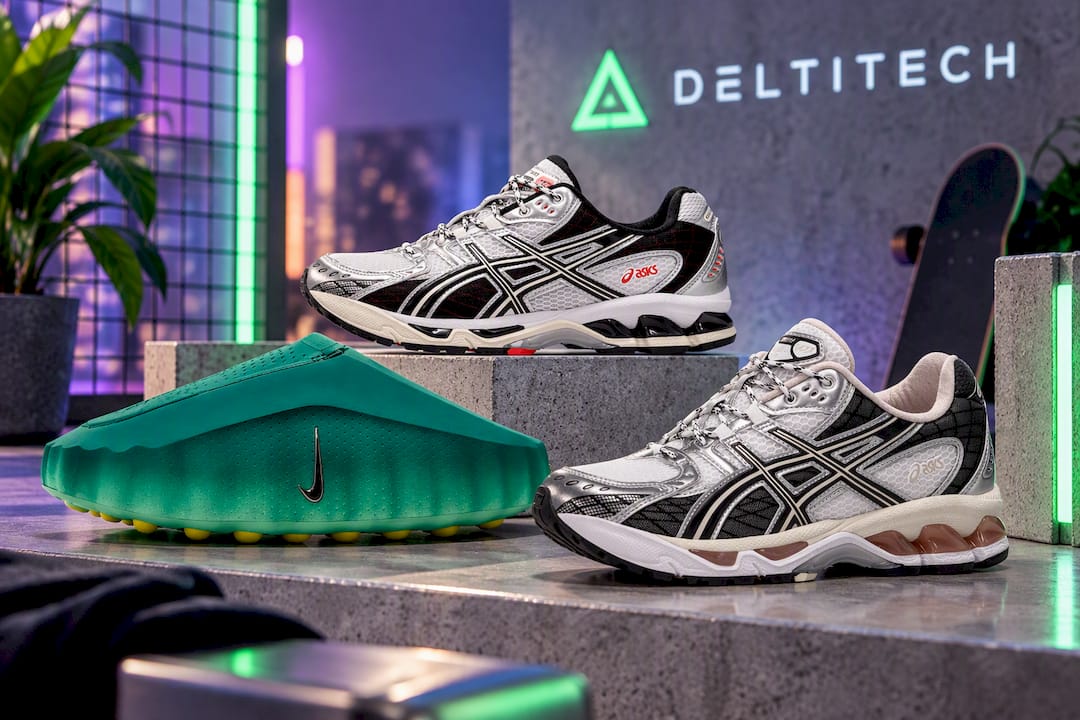
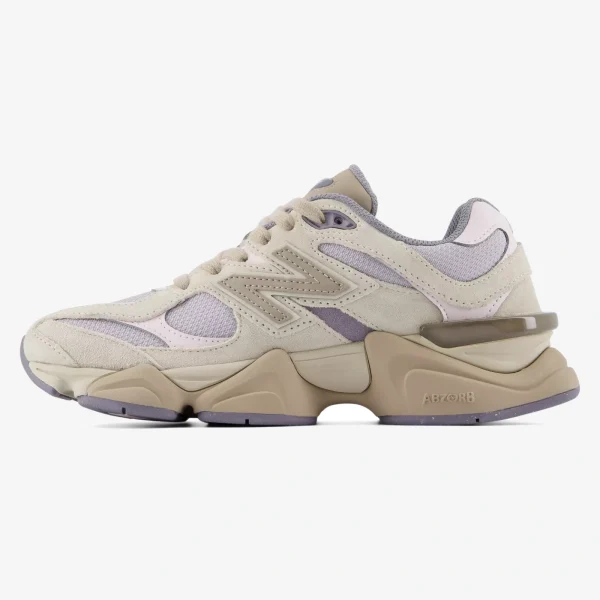
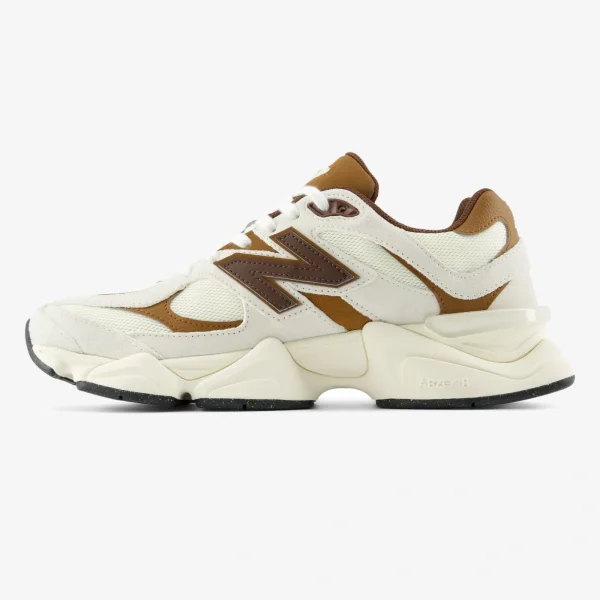
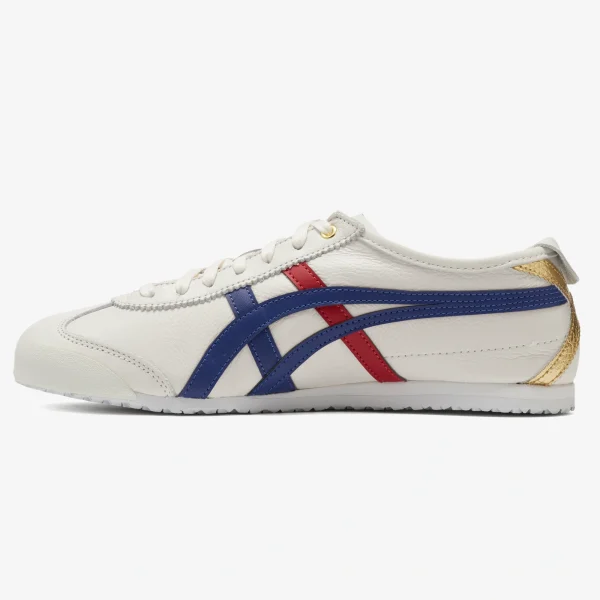
Our shoe collection spans Nike, Air Jordan, Adidas, New Balance, and ASICS, including current pairs like the Nike Mind 001 ‘Geode Teal’ and the ASICS Gel Nimbus 10.1 ‘White Black Silver’. Browse the current lineup, and if a pair does not work out, our returns team is a message away.
Primary sources and official policy pages used for this article
This article draws on Directive (EU) 2019/771 on defective-goods remedies, UK legislation implementing similar consumer protections, and current retailer policy summaries for ASICS and Nike.
Sources
- Return policies vary by retailer; most require unworn condition
- ASICS Return Policy 2026 — refunds, exchanges & 90-day return guide
- Nike return policy 2026: free returns, time limits & custom shoe rules
- Directive (EU) 2019/771 on certain aspects concerning contracts for the sale of goods
FAQ
Can you return sneakers after wearing them?
It depends on the seller: most mainstream retailers require sneakers to be unworn for a standard refund, though some brands allow light trial wear under a membership or trial program. Outside those exceptions, worn shoes are typically only accepted as part of a defect claim.
Can I still return sneakers after 30 days?
It depends entirely on the seller’s stated window: some retailers cut off returns sharply at 30 days, while others, like ASICS with its 90-day standard policy, give you considerably longer. Past the standard window, some brands still allow a “gently used” return for store credit rather than a full refund.
Can you return shoes if they hurt your feet after wearing them?
Discomfort alone is usually treated as a change-of-mind return, not a defect claim, so it falls under the seller’s standard policy rather than consumer-protection law. If the seller offers a trial program that tolerates indoor wear, that is your best path to a refund or credit once you realize the fit is wrong.
Can you return shoes because they are uncomfortable?
Yes, but only within whatever window and condition rules the seller has set, since discomfort is a preference issue rather than a defect. Trying shoes indoors on a clean surface before wearing them outside protects your ability to return them under a standard unworn policy.